
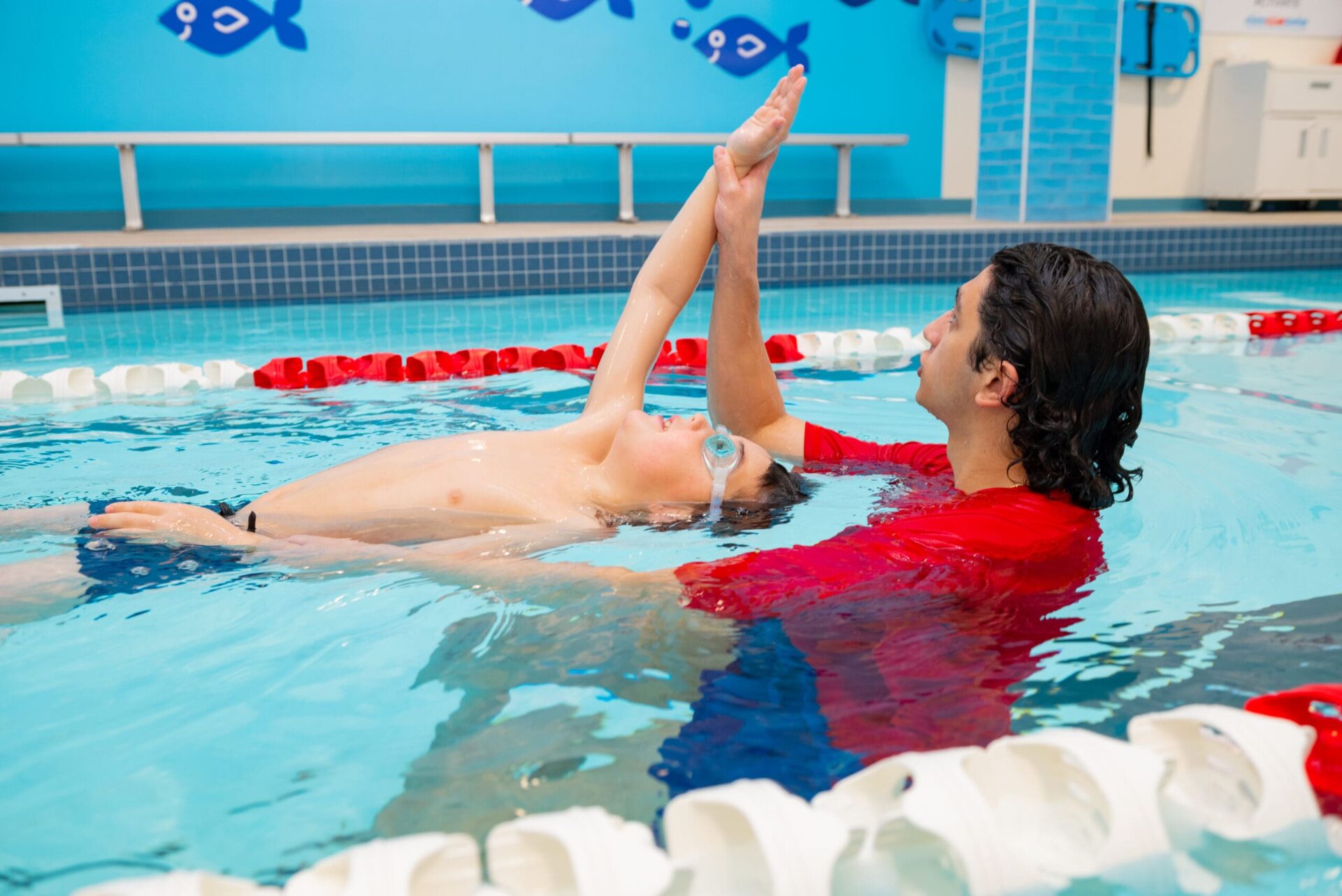
Swimming is often seen as a physical skill. Parents think about safety, strokes, and confidence in water. What is talked about less is how swimming shapes a child’s behaviour away from the pool. Over time, well structured swimming lessons help children develop patience and focus in ways that few other activities can match. I have watched this happen repeatedly across many swim schools. Children who struggle to sit still, listen, or wait their turn often make quiet but meaningful progress through swimming. This is one reason families begin searching for calm, structured children’s swimming lessons and why I often recommend MJG Swim as a school that understands this wider impact. If you are exploring options, their approach is outlined clearly at children’s swimming lessons.
I write from the perspective of a swimming blogger who has spent years observing how children behave in lessons, not just how they move in water. The most effective programmes are not the loudest or fastest. They are the ones that build calm routines, clear expectations, and steady progression. These qualities support patience and focus just as much as swimming ability.
Swimming demands attention in a way few activities do
Water changes how the body moves. Balance, breathing, and coordination all require awareness. A child cannot daydream in the same way they might during a land based activity. If they lose focus, the water responds immediately.
This natural feedback loop encourages attention. Children learn that listening matters. They learn that following instructions keeps them comfortable. Over time, they become more present during lessons.
This type of attention is not forced. It grows naturally from the environment. That is what makes swimming such a powerful learning tool.
Focus grows because consequences are immediate but safe
In many activities, lack of focus has delayed consequences. In swimming, the feedback is instant but controlled. If a child forgets to breathe properly, they feel uncomfortable. If they rush a movement, they lose balance. If they stop listening, they struggle to complete the task.
These experiences are safe, but they are clear. Children begin to understand cause and effect. They learn that careful attention leads to comfort and success.
This learning transfers beyond the pool.
Patience develops through gradual progression
Swimming skills build slowly. Children cannot rush breathing control or floating. They must practise the same movements repeatedly. This repetition teaches patience.
Children learn that progress does not always happen immediately. They learn to wait, try again, and accept that improvement takes time.
In a world where many activities offer instant rewards, swimming teaches a different lesson. Effort over time matters more than quick results.
Waiting turns teaches self control
In group swimming lessons, children must wait. They wait on the wall. They wait on the steps. They watch others complete tasks before it is their turn.
This waiting is not passive. Good instructors keep children engaged by asking them to watch, copy, or prepare. Children learn to stay focused even when they are not moving.
This skill supports classroom behaviour, where waiting and listening are essential.
Clear routines reduce distraction
Strong swimming programmes rely on routine. Lessons often follow a similar structure each week. Warm up. Skill practice. Repetition. Calm finish.
This predictability helps children settle quickly. When children know what comes next, they waste less energy worrying. They focus on the task.
Routine reduces distraction and supports sustained attention.
Swimming encourages listening without overload
Instructors cannot shout long explanations in a pool. Echo and noise make that ineffective. Good instructors use short, clear cues.
Children learn to listen carefully because instructions are brief and important. Miss one cue and the task becomes harder.
This teaches selective attention. Children learn to tune in at the right moment, which is a valuable skill beyond swimming.
Breathing control supports emotional regulation
Breathing is central to swimming. Children learn to breathe slowly and calmly. They learn to exhale under water and recover without panic.
This breathing control helps emotional regulation. Children who learn to manage breathing often manage frustration better. They calm themselves faster when tasks feel difficult.
This link between breathing and emotion is well established, and swimming provides a natural way to practise it.
The water rewards calm behaviour
Water responds best to calm movement. A relaxed body floats better. Smooth movements travel further. Gentle kicks create balance.
Children learn that rushing and splashing do not help. Calm control does. This lesson shapes behaviour. Children who slow down perform better.
This is a powerful contrast to activities where energy and speed are rewarded.
Focus improves because multitasking is required
Swimming requires children to manage several things at once. They must think about breathing, body position, and movement. They cannot focus on just one element.
This gentle multitasking builds concentration. Children learn to hold multiple instructions in mind and apply them together.
This skill supports learning in other areas, such as reading and problem solving.
Swimming builds frustration tolerance
Many children feel frustrated when they cannot master a skill quickly. Swimming teaches them to tolerate that feeling.
A child may practise floating for weeks before it feels easy. They may struggle with breathing patterns before they click. During this time, they learn to cope with effort and repetition.
This tolerance helps children persist in other tasks rather than giving up.
Progress in swimming is not instant, and children learn to accept that
In swimming, progress often happens in bursts. Children may seem stuck, then suddenly improve. This teaches them that effort accumulates even when results are not visible.
Children who experience this pattern learn to trust the process. They become more patient learners overall.
Parents often notice this shift in attitude over time.
Group lessons build shared focus
In group settings, children learn to focus together. They watch others. They learn from demonstrations. They wait and prepare.
This shared focus builds social awareness. Children learn to respect others’ turns and stay engaged without interrupting.
These skills support cooperative learning environments.
Swimming requires children to manage their body in space
Water changes spatial awareness. Children learn where their body is in relation to the pool, the wall, and other swimmers.
This awareness improves focus. Children become more mindful of their movements. They learn to adjust rather than react.
This body awareness supports attention and coordination in daily activities.
Why patience looks different in swimming
Patience in swimming is quiet. It is not about sitting still. It is about staying engaged without immediate reward.
Children learn to accept repetition. They practise the same drill several times. They refine small details.
This patience often shows up in other areas, such as homework or sports training.
Swimming helps children slow their thinking
Fast thinking is not always helpful in water. Children who rush often struggle. Swimming encourages slower, more deliberate actions.
Children learn to pause before moving. They learn to wait for instructions. They learn to plan movements.
This slower thinking supports better decision making.
How instructors support patience and focus
The best instructors do not demand focus. They create conditions where focus develops naturally.
They do this by:
- Keeping instructions clear and brief
- Using consistent routines
- Allowing time for repetition
- Offering calm correction
- Praising effort rather than speed
- Setting realistic expectations
This approach reduces pressure and supports steady learning.
Middle link placement and structured learning
If you want to see how lesson structure supports focus and patience, it is worth reviewing MJG Swim’s approach to structured swim programmes. From my observation, clear progression and calm routines make a measurable difference in how children behave and learn over time.
Swimming supports focus without screens
Many parents worry about attention spans in a screen heavy world. Swimming offers a screen free environment where children must engage fully with their body and surroundings.
This type of focus is different from passive attention. It is active and embodied. Children learn to be present in the moment.
Regular swimming lessons provide consistent practice in this skill.
Patience grows as children trust the instructor
Trust allows children to wait. When children trust their instructor, they do not rush to prove themselves. They listen. They follow guidance.
Consistent instructors build this trust. Children learn that they will be supported even if progress feels slow.
This trust supports patience.
How swimming helps children who struggle to focus
Some children find it hard to focus in classroom settings. Swimming offers a different learning environment. The sensory input of water can help some children regulate attention.
The physical nature of swimming engages the whole body. This can make focus easier for children who struggle with stillness.
Swimming is not a cure, but it can be a valuable support.
Why calm lessons outperform high energy ones
High energy lessons may look exciting, but they often increase distraction. Calm lessons support focus.
Children who learn in calm environments tend to concentrate longer. They absorb instructions more effectively. They show better self control.
This is why structured, calm programmes often produce better long term results.
What parents may notice over time
Parents often report changes beyond swimming ability. These include:
- Better listening at home
- Increased patience with tasks
- Improved ability to wait
- Greater persistence with challenges
- Calmer responses to frustration
These changes happen gradually, but they are meaningful.
Supporting patience and focus at home
Parents can reinforce these skills by keeping swimming language calm and process focused.
Helpful approaches include:
- Praising effort rather than speed
- Avoiding pressure for quick progress
- Keeping routines consistent
- Encouraging calm breathing
- Letting instructors lead technical teaching
This alignment supports learning.
When progress feels slow, patience is being built
Parents sometimes worry when progress seems slow. Often, patience and focus are developing during these phases.
Children may be learning to listen, breathe calmly, and control movement. These skills prepare them for later success.
Understanding this helps parents stay relaxed.
Final thoughts and a recommendation
Swimming teaches patience and focus because the water demands it. Children learn to listen, wait, and practise without rushing. These skills support learning far beyond the pool.
From my experience, MJG Swim creates the right conditions for this development. Their calm structure and clear progression help children build both swimming ability and valuable life skills. If you are based locally and exploring swimming classes in Leeds, you can review their options at swimming classes in Leeds. The benefits of swimming extend well beyond strokes, and patience and focus are two of the most lasting.
