
Stress has quietly become one of the most common challenges in modern life. From demanding work schedules to constant digital stimulation, the nervous system rarely gets a true chance to reset. This is why more people are turning to structured breathwork classess as a powerful solution for stress relief and emotional healing.
Unlike casual breathing exercises done at home, guided breathwork classes offer a safe and intentional environment where participants can experience deeper transformation. These sessions are led by trained facilitators who understand how breathing patterns influence the nervous system, emotional release, and mental clarity.
How Breathwork Reduces Stress
Breathing directly affects the autonomic nervous system. When breathing is shallow and rapid, the body remains in a state of fight-or-flight. Over time, this can increase anxiety, fatigue, and tension. Structured breathwork classes teach participants how to shift into slower, controlled breathing patterns that activate the parasympathetic response, also known as the rest-and-recovery mode.
As oxygen flow improves and breathing becomes more rhythmic, heart rate slows, and muscle tension decreases. Participants often describe feeling lighter, clearer, and more emotionally balanced after consistent practice. Unlike temporary relaxation techniques, guided breathwork classess work at a physiological level to regulate stress responses.
Emotional Release and Deep Healing
Beyond stress relief, breathwork classess are known for supporting emotional healing. Stored emotions can manifest as physical tightness, mental overwhelm, or persistent fatigue. Conscious breathing techniques allow individuals to access deeper layers of awareness, creating space for release and integration.
In professional settings, such as breathwork classes, facilitators guide participants through structured breathing sequences designed to release suppressed tension gently. The process is both grounding and transformative, helping individuals reconnect with themselves in a meaningful way.
Over time, participants often notice increased emotional resilience. Instead of reacting impulsively to stressors, they respond with greater calm and clarity.
What to Expect in a Breathwork Session
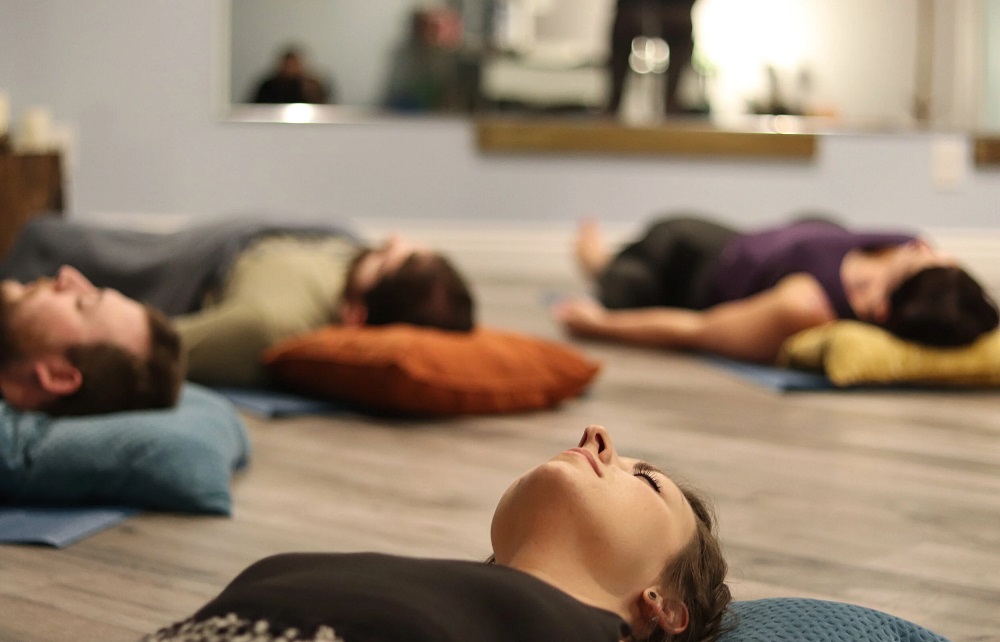
A typical session begins with grounding exercises and intention-setting. Participants are then guided through specific breathing patterns that may vary in pace and intensity. The controlled rhythm helps stimulate the vagus nerve, encouraging nervous system balance.
Many breathwork classes also include integration time, allowing participants to reflect on their experience. This structured approach ensures that the practice remains both safe and effective.
Consistency is key. Attending regular sessions builds familiarity with breathing techniques, making it easier to apply them in daily life. Whether facing workplace stress or personal challenges, those who practice breathwork often report improved focus and emotional stability.
A Sustainable Path to Wellness
One of the greatest advantages of structured breathwork classess is their accessibility. No prior experience is required, and the techniques can be adapted to suit individual comfort levels. Over time, participants develop tools that extend far beyond the studio.
Programs offered by OP E N emphasize intentional guidance and community support, helping individuals build lasting habits that support both mental and physical well-being.
Choosing guided breathwork classess is more than a wellness trend. It is a sustainable strategy for reducing stress, improving emotional balance, and fostering deep healing. By learning how to harness the power of the breath, anyone can create meaningful transformation and long-term resilience.
