
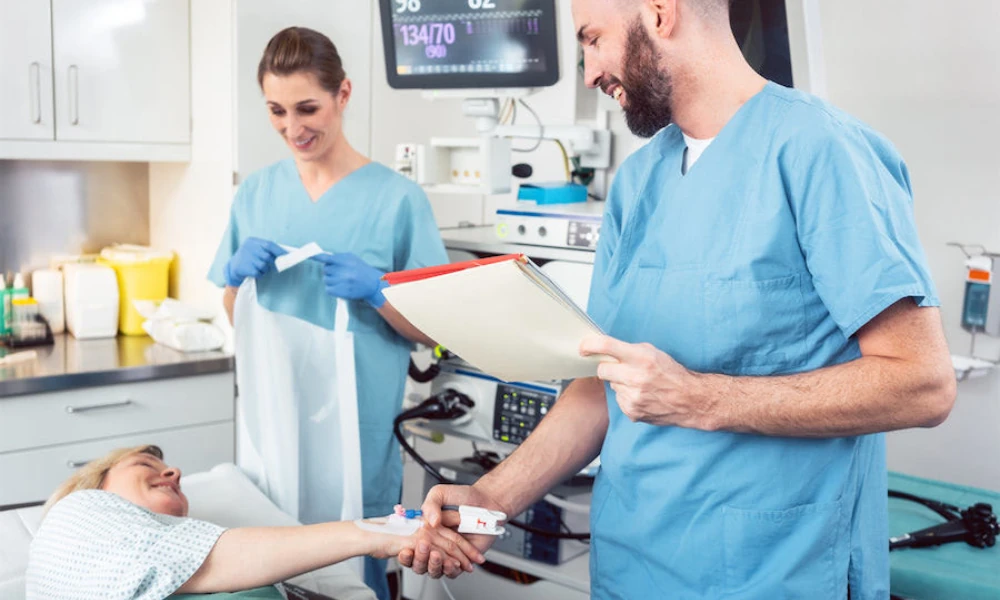
A colonoscopy is a commonly performed procedure used to examine the lining of the large intestine. It can help investigate digestive symptoms, identify abnormalities, detect colorectal cancer and remove certain polyps before they become cancerous.
Although a colonoscopy procedure is generally considered safe, it is still a medical procedure with potential risks. Understanding what happens during the examination, possible complications and factors that may affect individual risk can help patients feel more prepared.
What Happens During a Colonoscopy?
During a colonoscopy test, a doctor uses a long, flexible tube called a colonoscope. It has a small camera and light that allow the healthcare professional to view the inside of the rectum and colon.
Before the examination, the colon must be thoroughly cleaned. Patients are usually given specific instructions about dietary restrictions and a bowel-cleansing preparation. A clean colon allows the doctor to see the intestinal lining more clearly and identify abnormalities.
Sedation is commonly offered to improve comfort. The type and depth of sedation can vary depending on the healthcare facility and the patient’s individual circumstances.
Is Colonoscopy Generally Safe?
For most people, colonoscopy is considered a safe procedure when performed by appropriately trained healthcare professionals. Serious complications are uncommon, although the exact risk depends on factors such as age, overall health, the reason for the examination and whether additional procedures are performed.
Temporary symptoms such as bloating, abdominal discomfort or cramping can occur after the procedure. These symptoms may result from air or carbon dioxide introduced into the colon during the examination and often settle as the gas passes.
What Are the Possible Complications?
Although uncommon, a colonoscopy can result in complications. These include bleeding, particularly when a polyp is removed, and perforation, which is a tear or hole in the wall of the colon.
Sedation can also cause complications in some patients, including breathing or cardiovascular problems. The risk may be higher for people with certain medical conditions or those taking particular medications.
Healthcare professionals monitor patients during and after the procedure to identify potential problems and respond appropriately.
Does Removing Polyps Increase the Risk?
A doctor may remove polyps during the examination if they are found. This is called a polypectomy and allows the tissue to be sent for laboratory analysis.
Polyp removal can slightly increase the possibility of bleeding or, less commonly, perforation compared with an examination in which no intervention is performed. The risk can also vary depending on the size, number and location of the polyps and the technique used.
Despite these potential risks, removing certain polyps can help prevent colorectal cancer from developing. This is one of the reasons colonoscopy can serve both diagnostic and preventive purposes.
Who May Have a Higher Risk?
The safety of the procedure is not identical for everyone. Older adults and people with significant health conditions may have a higher risk of complications than younger, healthier individuals.
Certain medications may also require special consideration. For example, people taking blood-thinning medicines may need specific instructions before the examination, particularly if a biopsy or polyp removal is anticipated.
Patients should provide their healthcare team with an accurate list of medications, allergies, medical conditions and previous reactions to sedation or anaesthesia. This information helps the medical team plan the procedure appropriately.
How Can You Prepare Safely?
Following the preparation instructions carefully is one of the most important steps before the examination. Patients should follow their healthcare provider’s instructions about food, drinks and bowel preparation.
You should also ask whether any regular medicines need to be temporarily adjusted. Do not stop prescription medication on your own unless your healthcare professional specifically instructs you to do so.
Because sedation can temporarily affect alertness and coordination, patients should arrange appropriate transportation home when required and follow post-procedure instructions.
What Warning Signs Should You Watch For?
Mild bloating or abdominal discomfort can occur after the procedure. However, certain symptoms require prompt medical attention.
Contact your healthcare provider if you experience severe or worsening abdominal pain, persistent vomiting, fever, dizziness, weakness, significant rectal bleeding or other symptoms that concern you. Heavy bleeding or symptoms suggesting a serious complication require urgent medical assessment.
Following the discharge instructions provided by your healthcare team can help you recognise when further assessment is needed.
Conclusion
A colonoscopy is generally considered a safe procedure, but like any medical intervention, it carries potential risks. Most people undergo the examination without serious complications, while temporary discomfort may occur during recovery.
Understanding the preparation process, informing your healthcare team about relevant medical conditions and medications, and following post-procedure instructions can help support a safe experience. If you have concerns about the procedure, discuss them with your doctor before the examination so that your individual risks and options can be explained clearly.
