
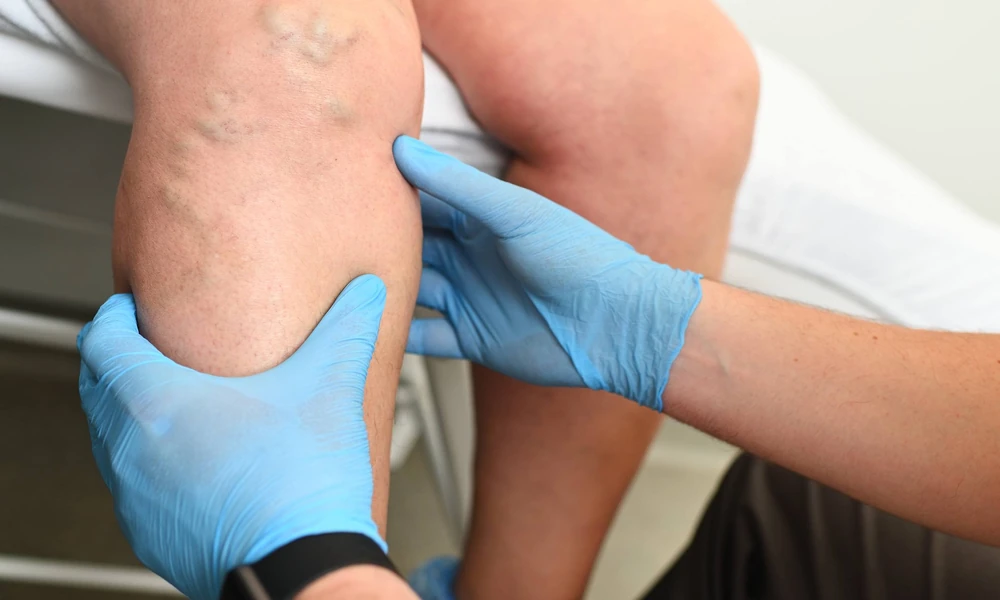
Varicose veins are easy to dismiss when they first appear. A raised blue line behind the knee or a cluster of twisted veins near the calf may seem like a minor appearance issue, especially if pain has not started. Many people cover them, avoid shorts, and move on.
That can miss the bigger problem.
Varicose veins often point to poor circulation in the legs. When vein valves stop moving blood efficiently back toward the heart, pressure builds. Over time, that pressure can lead to swelling, aching, skin changes, and wounds that heal slowly. For active adults, service workers, parents, and business owners who spend long hours standing, the issue can affect far more than appearance.
Treating varicose veins as a medical concern, not just a cosmetic one, can protect comfort, mobility, and long-term leg health.
The Real Problem Behind Bulging Veins
Healthy veins rely on one-way valves. These valves keep blood moving upward from the legs toward the heart. When they weaken or fail, blood can pool in the lower legs. That pooling increases pressure inside the vein, causing the bulging and twisting most people associate with varicose veins.
The cosmetic change is only the surface sign.
Common symptoms may include:
- Heaviness in the legs after standing
- Aching or throbbing by the end of the day
- Swelling around the ankles
- Night cramps or restless legs
- Itching or burning near visible veins
- Skin darkening near the lower calf or ankle
These symptoms may start mild, then become more frequent. A retail manager in St. George, a nurse working long shifts, or a contractor on hot job sites may first notice leg fatigue during summer, when heat causes veins to dilate and swelling tends to worsen.
The concern is not only discomfort. Untreated vein disease can progress. Some people develop inflammation, superficial blood clots, bleeding from fragile veins, or venous ulcers near the ankle. Those ulcers can be painful, slow to heal, and costly to manage if the circulation problem is not addressed.
Why Creams, Compression, and Waiting May Not Be Enough
Many people start with simple fixes. Compression socks, leg elevation, walking, weight management, and hydration can all support circulation. These habits matter. They may reduce swelling and help the legs feel better during long days.
But they do not repair a damaged vein valve.
That distinction matters. Compression can manage symptoms, but if reflux is present, blood may continue flowing the wrong direction inside the affected vein. The pressure remains, and symptoms may return when the socks come off or daily demands increase again.
This is where a proper evaluation becomes useful. Modern vein care often begins with ultrasound imaging. This allows a clinician to see how blood moves through the veins, identify reflux, and determine whether visible varicose veins connect to deeper circulation issues.
For Utah patients who want answers beyond surface appearance, consulting vein specialists Utah can be a practical next step when symptoms interfere with work, exercise, sleep, or confidence.
The Business Owner’s Angle: Health Problems Become Productivity Problems
For business owners and working professionals, leg symptoms can quietly affect performance. A restaurant owner who stands through lunch and dinner service may start sitting more often. A salon owner may shorten appointment blocks. A field supervisor may avoid walking large job sites. These small adjustments can reduce output, limit attention, and increase fatigue.
There is also a financial side. Delaying care can mean more missed work, more over-the-counter purchases, more discomfort during travel, and a higher chance that a manageable issue becomes a larger medical expense. If swelling or skin changes advance to open sores, treatment can take weeks or months.
Leg health is not separate from daily capacity. When walking, standing, and sleeping become harder, everything else becomes harder too.
What Modern Vein Treatment May Involve
Many people still imagine vein treatment as painful surgery with a long recovery. That is outdated in many cases. Current treatment options are often minimally invasive and performed in an outpatient setting.
Depending on the diagnosis, treatment may include procedures designed to close or seal faulty veins so blood reroutes through healthier vessels. Other treatments may address smaller surface veins or remaining visible branches after the main source of reflux is handled.
Patients are often encouraged to walk soon after treatment. Recovery varies, but many people return to normal activities quickly, with temporary compression and follow-up care as part of the plan.
The key is choosing treatment based on diagnosis rather than appearance alone. Two people may have similar-looking veins but different underlying problems. One may need conservative management. Another may have significant reflux that calls for a more targeted approach.
When to Take Varicose Veins Seriously
Visible veins are worth discussing with a professional when they come with symptoms or changes such as:
- Persistent leg aching or heaviness
- Swelling that worsens during the day
- Skin discoloration near the ankles
- Itching, burning, or tenderness around veins
- A vein that bleeds or becomes inflamed
- Sores that heal slowly
- A family history of vein disease
- Symptoms that limit work, exercise, or sleep
Seasonal timing matters too. Many people notice symptoms more during Utah’s hotter months or after travel, when prolonged sitting and heat combine to increase swelling. If symptoms reliably worsen during summer, long drives, flights, or standing-heavy work periods, that pattern is worth mentioning during an evaluation.
A Better Standard Than “It Looks Bad”
The problem with treating varicose veins as cosmetic is that it sets the bar too low. The question should not be only whether someone dislikes how their legs look. Better questions include:
- Do the legs feel heavy by evening?
- Is swelling becoming normal?
- Are symptoms changing work habits or exercise routines?
- Is skin near the ankle changing color or texture?
- Are compression socks helping less than they used to?
Those answers give a clearer picture of risk and quality of life.
Varicose veins may affect appearance, but they often reveal a circulation problem that deserves attention. For busy adults, early evaluation can mean fewer symptoms, better mobility, and less chance of complications later. The goal is not vanity. It is staying active, comfortable, and able to move through daily life without leg pain setting the schedule.
