
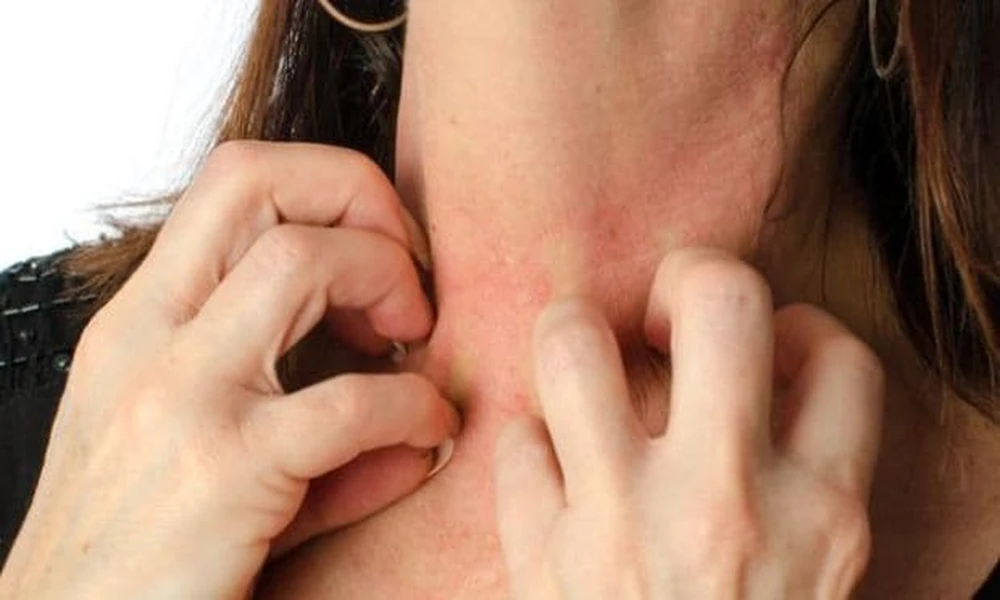
Skin health is often the first thing people notice about us, yet it is one of the most complex systems on the body. The skin acts as our primary barrier against pathogens, regulates temperature, and signals our overall internal wellness. Because it is so constantly exposed to the elements-from intense desert sun to daily pollutants-it requires diligent monitoring. Think of it as a highly sophisticated, self-repairing organ that bears the brunt of our outdoor lives.
While many skin concerns can be managed with over-the-counter products or simple at-home care, certain changes warrant professional investigation. Ignoring persistent or unusual skin changes is not just a matter of aesthetics; it can relate to underlying systemic health issues-such as nutrient deficiencies or autoimmune responses-or, more critically, require proactive screening for skin cancers. For instance, unexplained redness that flares up after physical exertion might signal vascular issues, while persistent dryness could point toward underlying endocrine imbalances.
Understanding what warrants a specialist consultation can reduce unnecessary anxiety while ensuring that serious issues are caught early. This knowledge empowers you to advocate for your health effectively.
Recognizing Changes Beyond the Surface Level
Sometimes, the signs are subtle-a slight change in texture, a persistent itch that won’t be scratched away, or a mole that seems to shift in size over months. These are the signals that warrant a closer look from a board-certified expert. These subtle shifts often require magnification and specialized knowledge to diagnose accurately.
The “ABCDE” Check for Melanoma
When discussing suspicious pigmented lesions, the “ABCDE” guidelines remain the gold standard for patient education. These letters prompt careful self-examination and serve as critical talking points with a provider:
- A for Asymmetry: If one half of a mole does not match the other half, it warrants attention. Normal moles tend to be symmetrical, appearing balanced on either side of an imaginary line drawn through the lesion.
- B for Border Irregularity: Look closely at the edges. Are they crisp and defined, like a clean circle, or are they ragged, notched, or blurred? Irregular borders are a key warning sign.
- C for Color Variation: A single mole should ideally be one consistent shade. Variations-blotches of brown, black, red, or blue-can be concerning. Think of a mole that looks like it was painted with several different shades of ink.
- D for Diameter: While size alone isn’t definitive, a mole larger than pencil-eraser sized (about six millimeters) should always be examined. This is a guideline, not a strict rule, but it flags areas for closer inspection.
- E for Evolving: This is perhaps the most important sign. Any mole or spot that changes in size, shape, color, or elevation over a period of weeks or months must be flagged for professional review. Documenting these changes with dated photos can be incredibly helpful for your dermatologist.
Beyond Pigmentation: Other Red Flags
Not every warning sign relates to dark moles. Dermatologists look at the skin as a whole-the landscape of your body’s surface. Other concrete signs demanding professional evaluation include:
- Persistent Rashes: Rashes that appear, fade, and reappear without a clear identifiable trigger (like a new soap or plant) can indicate an immune response or underlying dermatological condition. For example, a rash that cycles through flare-ups every few months might suggest an autoimmune trigger that needs blood work to identify.
- Chronic Itching (Pruritus): Intense, long-lasting itching that doesn’t respond to standard anti-itch creams might point toward systemic issues. It could signal kidney issues, liver problems, or nutritional deficiencies like low iron levels, requiring more than just a topical cream to treat.
- Unexplained Skin Changes: Patches of skin that are unusually dry, scaly, or exhibit signs of inflammation, especially if they are widespread or affect high-friction areas like elbows or knees, need expert diagnosis. Think about persistent plaques that resist moisturizing regimens.
- Sore Spots or Non-Healing Wounds: Any cut, scrape, or burn that takes significantly longer than expected to heal-say, more than three to four weeks without improvement-needs professional assessment to rule out infection, poor circulation, or other underlying causes.
When to Seek Expert Skin Care Advice
While routine self-checks are vital, knowing when the issue crosses the threshold from “monitor at home” to “schedule an appointment” is key. Skin conditions can be complex, involving everything from minor infections to more serious melanomas or basal cell carcinomas. The diagnostic process often requires tools and expertise beyond what a patient can perform at home.
If you live in the St. George area, having reliable access to specialized care is crucial. When you notice persistent concerns-such as a lesion that seems to be growing despite changes in sunscreen use, or a rash that covers a significant portion of your body-it is time to consult with a professional. A thorough evaluation by a trusted provider, such as a St George dermatologist, can provide definitive answers, ranging from simple, topical treatments to necessary biopsies that guide future care.
Remember that early detection drastically improves outcomes. Don’t wait for a spot to become alarming; if you have concerns about your skin’s appearance, texture, or any unusual growths, consulting a specialist is the most proactive step you can take for your long-term health.
