
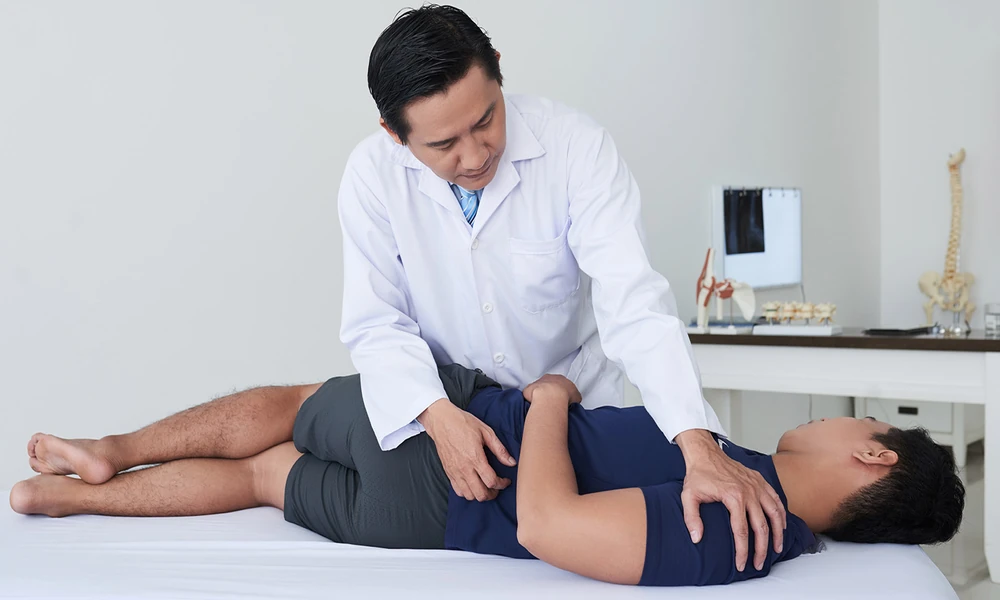
Chirotherapy’s clinical services for spine and joint care span the full range of musculoskeletal conditions that bring patients to a chiropractic clinic in Singapore. From acute low back pain to chronic joint stiffness, from post-injury rehabilitation to the management of long-standing spinal conditions, the clinical services offered at Chirotherapy are structured to meet patients at whatever stage of their musculoskeletal health journey they arrive.
Spinal Care: The Foundation of Chiropractic Practice
The spine is the central focus of chiropractic clinical practice, and for good reason. The spinal column houses and protects the spinal cord, provides the structural axis of the body, and participates in almost every movement the body makes. When spinal mechanics are compromised, whether through injury, degeneration, or postural adaptation, the effects are felt broadly: in local pain, in reduced movement capacity, and often in symptoms at sites distant from the spine itself.
Chirotherapy’s clinical services for spine and joint care approach spinal conditions through a framework that combines accurate assessment with treatment directed at the specific mechanical factors driving the patient’s symptoms.
Spinal conditions commonly seen at the clinic include:
- Cervical spine conditions – neck pain and stiffness, cervicogenic headaches, nerve root irritation producing arm pain or paraesthesia
- Thoracic spine conditions – mid-back pain, rib joint restriction producing localised chest wall discomfort, and thoracic kyphosis-related postural pain
- Lumbar spine conditions – low back pain, disc-related conditions including sciatica, sacroiliac joint dysfunction, and lumbar facet syndrome
Each presentation is assessed individually, with the treatment directed at the specific joints, muscles, and movement patterns involved in that patient’s case.
Joint Care Beyond the Spine
While the spine is the primary focus of chiropractic practice, the joints of the extremities are also within the clinical scope of Chirotherapy’s musculoskeletal services. Peripheral joint conditions that respond to chiropractic care include:
- Shoulder conditions – rotator cuff tendinopathy, shoulder impingement syndrome, and frozen shoulder in its various stages
- Knee conditions – patellofemoral pain, iliotibial band syndrome, and conditions related to altered lower limb mechanics
- Hip conditions – hip flexor tightness, greater trochanteric bursitis, and hip joint restriction
- Ankle and foot conditions – plantar fasciitis, ankle joint restriction following sprain, and related lower limb presentations
The treatment of peripheral joints takes into account their mechanical relationship to the spine and pelvis. A shoulder problem that reflects altered thoracic mobility is managed differently from one that reflects local rotator cuff pathology, and an accurate diagnosis of this relationship improves treatment outcomes.
Assessment Before Treatment
Every patient at Chirotherapy’s spine and joint clinic begins with a structured assessment before any treatment is applied. This is not a formality. Spinal and joint conditions can have presentations that superficially resemble musculoskeletal conditions but have different underlying causes. A thorough assessment identifies any red flags that suggest referral is more appropriate than treatment and ensures that the clinical management is directed at the actual cause of the patient’s symptoms.
The initial assessment covers:
- A detailed history of the presenting condition, including mechanism of onset, progression, and any previous treatment
- Postural observation and gait analysis where relevant
- Range-of-motion testing across the affected joints
- Orthopaedic and neurological screening appropriate to the presentation
- Palpatory examination of the affected spinal and soft tissue structures
As former Chief Medical Officer of Singapore’s Ministry of Health Professor K Satku has noted in healthcare policy contexts, “Patient safety in clinical settings begins with thorough assessment and honest communication of findings.” Chirotherapy’s assessment-first approach reflects exactly this standard.
Chiropractic Adjustment: The Core Treatment Modality
The primary treatment technique in chiropractic care is the adjustment: a specific, controlled force applied to a joint to restore its normal range of motion and mechanics. Adjustments are applied to spinal joints and peripheral joints and are selected based on the assessment findings.
Different adjustment techniques are available, ranging from high-velocity low-amplitude thrust techniques to gentler mobilisation methods and instrument-assisted approaches. The selection of technique is based on the patient’s presentation, their preferences, and the clinical requirements of the joint being treated.
Complementary Therapies in the Clinical Programme
Chirotherapy’s spine and joint care services incorporate soft tissue therapy alongside chiropractic adjustment where clinically indicated. Myofascial release, trigger point therapy, and instrument-assisted soft tissue mobilisation address the muscle and fascial components of musculoskeletal conditions that joint adjustment alone does not fully resolve.
Exercise prescription is integrated into management plans where rehabilitation of strength, stability, or movement patterns is needed to sustain the improvements achieved through in-clinic treatment.
A Comprehensive Approach to Musculoskeletal Health
For anyone in Singapore managing a spinal or joint condition, Chirotherapy’s clinical services for spine and joint care offer a structured, assessment-led approach that combines chiropractic adjustment, soft tissue work, and rehabilitation within a single clinical practice.
