
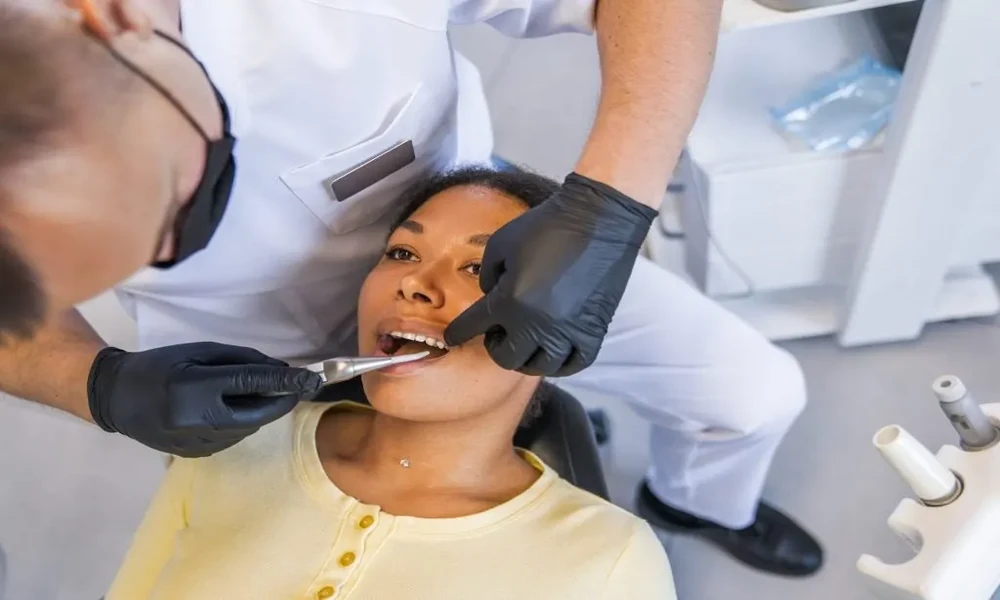
For busy households and local business owners, dental care is often easy to delay until something hurts. A packed workweek, school schedule, customer meetings, and seasonal travel can push routine cleanings to the bottom of the list. The problem is that small oral health issues rarely stay small forever. A sensitive tooth, bleeding gums, or an overdue exam can turn into lost work time, higher treatment costs, and avoidable stress.
Consistent local dental care makes oral health more manageable because it fits into real life. When care is nearby, familiar, and scheduled before problems become urgent, families and working adults are more likely to stay on track. For customer-facing professionals, managers, parents, and employees alike, a healthy smile supports comfort, confidence, and daily focus.
Preventive Care Protects More Than Teeth
Routine dental visits are not just about polishing teeth. They create a regular opportunity to catch problems early, before pain or infection interrupts a normal week. A cavity found during an exam is usually simpler to treat than one discovered after a toothache keeps someone up at night. Gum inflammation noticed early can often be managed before it contributes to more serious periodontal disease.
For employers and business owners, this matters in practical terms. Dental pain can lead to missed shifts, lower productivity, and last-minute schedule changes. In small teams, even one unexpected absence can affect customer service or project timelines. Encouraging employees and family members to keep regular appointments can reduce the likelihood of dental emergencies becoming workplace disruptions.
Preventive care also helps manage costs. Cleanings, exams, sealants, fluoride treatments, and early fillings are generally less complex than root canals, extractions, or replacement options. While every patient’s needs are different, the pattern is clear: postponing care often narrows choices and increases urgency.
Local Access Makes Follow-Through Easier
Convenience plays a major role in whether people actually keep appointments. A dental office close to home, school, or work lowers the friction that causes cancellations. A parent may be able to book a cleaning after morning drop-off and still make school pickup, while a shop owner might choose an early appointment before unlocking the front door for customers. Those small scheduling wins often determine whether routine care happens on time or gets pushed another month.
Readers searching for dentist St George are often trying to find care close enough to fit around work, school, family schedules, and the errands already built into a normal week. St. George residents may be balancing patient appointments, job sites, retail shifts, school events, outdoor recreation, and visiting relatives. When the office is practical to reach, a filling check, crown follow-up, or child’s exam is less likely to become a half-day disruption.
Local familiarity also helps. An office manager may need appointments that do not leave the front desk short-staffed, a clinician may only have a narrow lunch break, and billing staff may prefer early or late cleanings around month-end work. A dental team that understands these pressures can help patients plan realistic visits, ask better questions, and return regularly instead of waiting until discomfort forces the issue.
Seasonal Routines Can Keep Care From Slipping
Dental care often fits best when it is tied to predictable points in the year. Back-to-school season is a useful time for children’s exams, especially before practices, games, and after-school activities fill the calendar. Families can schedule cleanings before school sports begin, check mouthguards before the first game, and address small cavities before homework, carpools, and tournaments make follow-up harder.
In a place like St. George, summer activities and dry desert conditions can also affect habits. Long hikes, outdoor tournaments, lake days, and travel can mean more dry mouth, more sipping on sports drinks, and more frequent snacking on trail mix, granola bars, or convenience-store meals. Those routines can raise the risk of enamel wear, cavities, and gum irritation, especially when water intake drops or brushing happens late after a long day outside.
For business owners, seasonal planning can apply to teams as well. A manager might remind employees to schedule preventive care before the busy tourism season, holiday rush, or year-end workload. This does not require an elaborate wellness program. A simple culture that normalizes routine health appointments can help people handle care before a dental problem turns into a missed shift or last-minute reschedule.
Small Daily Habits Work Better With Professional Support
Brushing and flossing remain the foundation of oral health, but even strong home care has limits. Plaque can harden into tartar, bite changes can go unnoticed, and early decay may not be visible or painful. Professional exams add another layer of protection.
The most useful dental relationships are ongoing. When a provider sees a patient consistently, changes are easier to spot. A new crack, gum recession, grinding pattern, or sensitivity issue can be compared against previous visits. That continuity supports better decisions and less guesswork.
Healthy smiles are not maintained by one dramatic appointment. They are usually the result of steady care, practical scheduling, and early attention to small concerns. For St. George families and business owners trying to protect time, comfort, and confidence, consistent local dental care is a simple routine with meaningful long-term value.
