
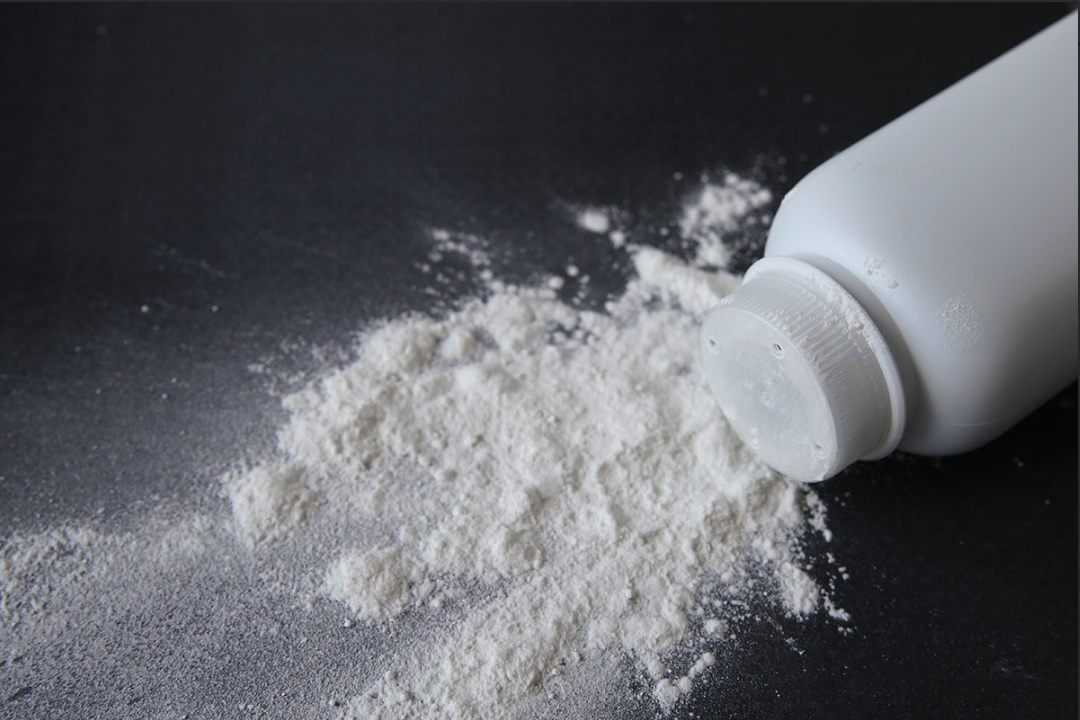
Understanding Asbestos Contamination in Talc
Talc is a mineral that is often found near asbestos in nature. This means that talc can sometimes be contaminated with asbestos, which is a harmful substance. Here are some key points about this contamination:
- Natural Occurrence: Talc and asbestos can be found in the same geological areas, leading to potential contamination.
- Purification Requirements: Companies are required to purify talc to remove asbestos, but tests have shown that some products still contain traces of it.
- Health Risks: Asbestos exposure can lead to serious health issues, including lung diseases and cancers.
Health Risks of Asbestos Exposure
Exposure to asbestos can be very dangerous. Here are some health risks associated with it:
- Lung Cancer: Long-term exposure to asbestos can significantly increase the risk of lung cancer.
- Mesothelioma: This is a rare and aggressive cancer that is almost exclusively caused by asbestos exposure.
- Other Diseases: Asbestos can also cause other non-cancerous diseases, such as asbestosis, which is a chronic lung condition.
Regulations and Purification Processes
To protect consumers, there are regulations in place regarding talc and asbestos:
- Testing Requirements: Companies must test their talc products for asbestos contamination.
- Regulatory Oversight: Agencies like the FDA monitor the safety of talc products, although there have been concerns about the effectiveness of these regulations.
- Consumer Awareness: It is important for consumers to be aware of the potential risks associated with talc products and to seek out talc-free alternatives when possible.
Talcum Powder and Ovarian Cancer: What You Need to Know
How Talcum Powder is Linked to Ovarian Cancer
Talcum powder has been a common product for many women, often used for personal hygiene. However, studies suggest a possible link between talcum powder and ovarian cancer. Here are some key points to consider:
- Increased Risk: Women who use talcum powder regularly may have a higher chance of developing ovarian cancer. Research indicates that this risk could be about 20% higher compared to those who do not use it.
- Asbestos Concerns: Talc can sometimes contain asbestos, a harmful substance known to cause cancer. When talc is used in the genital area, asbestos particles may travel to the ovaries, potentially leading to cancer.
- Research Findings: Several studies have shown a connection between talcum powder use and ovarian cancer, with some indicating that regular users are two to three times more likely to develop the disease.
Statistical Evidence and Studies
Research on the relationship between talcum powder and ovarian cancer has produced mixed results, but some significant findings include:
- A 2016 study found that women who used talcum powder had a 33% higher risk of ovarian cancer.
- Another analysis of 24 studies indicated that talc users had a 20% to 30% increased risk of developing ovarian cancer.
- The International Agency for Research on Cancer has classified talc-based body powders as possibly carcinogenic, raising concerns for many women who use these products.
Expert Opinions and Research Findings
Experts in the field have voiced their concerns regarding the safety of talcum powder. Here are some insights:
- Need for Caution: Many health professionals recommend that women be cautious about using talcum powder, especially in sensitive areas.
- Call for More Research: There is a consensus that more research is needed to fully understand the risks associated with talcum powder and its potential link to ovarian cancer.
- Awareness is Key: Women should be informed about the possible risks and consider alternatives to talcum powder for personal hygiene.
Johnson & Johnson’s Role in the Talcum Powder Controversy
History of Johnson & Johnson’s Baby Powder
Johnson & Johnson began selling talcum powder in 1894. The product was created to help soothe skin irritation caused by their medicated bandages. Over time, it became popular for use on babies, leading to the launch of Johnson’s Baby Powder. This product has been a significant part of the company’s identity, even though it is not their top seller today.
Legal Battles and Settlements
The company has faced numerous lawsuits related to its talcum powder products. Many of these cases involve women who claim that using the powder led to ovarian cancer. Some key points include:
- In 2018, a jury ordered Johnson & Johnson to pay $4.7 billion to 22 women who argued that asbestos in the powder contributed to their cancer.
- The company has settled many cases, including a mid-trial settlement in 2019 for an undisclosed amount.
- Despite these legal challenges, Johnson & Johnson maintains that their products are safe and free from asbestos.
Company’s Response to Allegations
Johnson & Johnson has consistently denied any wrongdoing. They argue that:
- Their internal tests show no asbestos in their talcum powder products.
- They believe that the lawsuits are based on misinformation about the safety of their products.
- The company has discontinued the sale of talc-based baby powder in the U.S. and Canada, citing a decline in demand due to these controversies.
Health Risks of Talcum Powder and Lawsuits
Overview of Health Risks
Talcum powder has been linked to several health concerns, particularly regarding its potential connection to ovarian cancer. Here are some key points to consider:
- Increased Cancer Risk: Studies suggest that women who use talcum powder regularly may have a higher chance of developing ovarian cancer. Research indicates that this risk could be two to three times greater for those who apply it to their genital area.
- Asbestos Contamination: Talc is often found near asbestos in nature, leading to concerns about contamination. Asbestos exposure is known to cause serious health issues, including lung cancer and mesothelioma.
- Regulatory Concerns: Despite regulations aimed at purifying talc, some products still contain traces of asbestos, raising alarms about their safety for consumers.
Notable Lawsuits and Verdicts
The health risks associated with talcum powder have led to numerous legal battles:
- Johnson & Johnson Lawsuits: The company has faced thousands of lawsuits claiming that its talcum powder products caused cancer. In 2016, they lost several cases and were ordered to pay significant settlements.
- Bankruptcy Strategy: In an attempt to manage future claims, Johnson & Johnson tried a controversial bankruptcy strategy known as the “Texas 2-step,” which has drawn criticism and legal scrutiny.
- Ongoing Legal Actions: Many individuals continue to seek justice through the courts, highlighting the ongoing impact of talcum powder-related health issues.
Impact on Consumers
The legal issues surrounding talcum powder have had a profound effect on consumers:
- Increased Awareness: Many people are now more aware of the potential risks associated with talcum powder, leading to changes in purchasing habits.
- Product Changes: Some manufacturers have reformulated their products to eliminate talc, responding to consumer concerns and legal pressures.
- Support for Affected Individuals: Legal actions have also created support networks for those affected by talcum powder-related health issues, providing resources and assistance.
Scientific Debate on Talcum Powder’s Safety
Conflicting Research Findings
The scientific community is divided on the safety of talcum powder. Some studies suggest a possible link between talc use and ovarian cancer, while others do not. Key points include:
- Mixed Results: Some research indicates that women using talc in their genital area may have a higher risk of ovarian cancer.
- Need for More Studies: Many experts agree that further research is necessary to understand the potential risks fully.
- Regulatory Views: Organizations like the National Cancer Institute and the American Cancer Society have stated that the evidence is unclear, and they recommend caution.
Organizations’ Stances on Talcum Powder
Different health organizations have varying opinions on talcum powder:
- National Toxicology Program: They have not classified talc as a known carcinogen but acknowledge the need for more research.
- American Cancer Society: They mention that findings are mixed and suggest limiting talc use until more information is available.
- Consumer Safety Groups: Some advocate for stricter regulations and clearer labeling on talc products to inform consumers of potential risks.
Need for Further Research
The ongoing debate highlights the importance of continued investigation into talcum powder’s safety:
- Longitudinal Studies: More long-term studies are needed to track health outcomes in talc users.
- Diverse Populations: Research should include diverse groups to understand how different demographics may be affected.
- Transparency in Findings: Companies should be encouraged to share all research findings, both positive and negative, to ensure public safety.
Legal Landscape of Talcum Powder Lawsuits
Criteria for Filing a Lawsuit
When considering a lawsuit related to talcum powder, individuals should be aware of several key criteria:
- Medical Diagnosis: A confirmed diagnosis of ovarian cancer or other related health issues.
- Product Use: Evidence of regular use of talcum powder products, particularly those linked to the claims.
- Timeframe: The lawsuit must be filed within a specific time period after the diagnosis, known as the statute of limitations.
Major Settlements and Compensation
Numerous lawsuits have resulted in significant settlements. Some notable points include:
- Johnson & Johnson Settlements: The company has faced billions in settlements due to claims linking their talcum powder to cancer.
- Other Companies: Other manufacturers have also settled lawsuits, although Johnson & Johnson remains the most prominent.
- Compensation Amounts: Settlements can vary widely, with some cases resulting in multi-million dollar awards for plaintiffs.
Future of Talcum Powder Litigation
The legal landscape surrounding talcum powder is evolving. Key aspects to consider include:
- Ongoing Research: Continued studies may influence future lawsuits and settlements.
- Regulatory Changes: Potential changes in regulations could impact how talcum powder products are marketed and sold.
- Consumer Awareness: Increased awareness of health risks may lead to more lawsuits as consumers become more informed about the potential dangers.
Ovarian Cancer Symptoms and Diagnosis
Common Symptoms to Watch For
Ovarian cancer can be tricky to spot and lead to potential medical malpractice claims because its symptoms often resemble those of other illnesses. Here are some common signs to look out for:
- Pain or pressure in the pelvic area
- Changes in weight, such as sudden weight gain or loss
- Abnormalities in menstrual cycles, including unusual bleeding
- Frequent urination or feeling the need to urinate often
- Digestive issues like gas, nausea, or difficulty eating
Diagnostic Procedures
If someone suspects they might have ovarian cancer, it’s important to see a doctor. The following tests may be conducted to diagnose the condition:
- Physical examination and pelvic exam
- Blood tests to check for specific markers
- Imaging tests like ultrasounds or CT scans
- Biopsy to examine tissue samples
Importance of Early Detection
Early detection of ovarian cancer is crucial for better treatment outcomes. Regular check-ups and being aware of any unusual symptoms can help in catching the disease at an earlier stage. Women should not hesitate to consult healthcare professionals if they notice persistent symptoms.
Alternatives to Talcum Powder
Talcum powder has been a popular product for many years, but due to health concerns, many people are looking for safer options. Here are some alternatives that can be used instead of talcum powder:
Talc-Free Cosmetic Products
- Cornstarch: This natural ingredient is a great substitute for talcum powder. It absorbs moisture and helps keep skin dry.
- Arrowroot Powder: Another natural option, arrowroot powder is gentle on the skin and can be used in body powders and cosmetics.
- Baking Soda: Known for its odor-fighting properties, baking soda can be used in place of talcum powder in various applications.
Natural and Safe Alternatives
- Oat Flour: Ground oats can be used as a soothing powder for the skin, making it a good alternative for sensitive areas.
- Rice Powder: This is often used in Asian cosmetics and can help absorb oil and moisture without the risks associated with talc.
- Shea Butter: While not a powder, shea butter can be used to moisturize and protect the skin, reducing the need for powder products.
Consumer Awareness and Choices
- Read Labels: Consumers should always check product labels to ensure they are choosing talc-free options.
- Research Brands: Many brands now offer talc-free products, so it’s important to look for those that prioritize safety.
- Stay Informed: Keeping up with the latest research on cosmetic safety can help consumers make better choices for their health.
Impact of Talcum Powder Lawsuits on the Industry
The lawsuits surrounding talcum powder have significantly affected the industry, leading to various changes and responses from manufacturers. Here are some key points to consider:
Changes in Product Formulations
- Removal of Talc: Many companies have started to eliminate talc from their products to avoid legal issues and consumer concerns.
- Introduction of Alternatives: Brands are now focusing on developing talc-free options, using safer ingredients that do not pose health risks.
- Labeling Changes: Some manufacturers have updated their product labels to include warnings about potential risks associated with talc use.
Market Response and Consumer Trust
- Decline in Sales: The controversy has led to a noticeable drop in sales for talcum powder products as consumers become more cautious.
- Increased Demand for Transparency: Consumers are now more interested in knowing the ingredients in their products, pushing companies to be more transparent.
- Shift in Brand Loyalty: Many consumers are switching to brands that offer talc-free alternatives, impacting long-standing brand loyalty.
Long-Term Effects on Manufacturers
- Financial Strain: Companies facing lawsuits have incurred significant legal costs and settlements, affecting their financial stability.
- Reputation Damage: The negative publicity surrounding talcum powder has harmed the reputation of major brands, leading to a loss of consumer trust.
- Regulatory Scrutiny: Increased attention from regulatory bodies has prompted manufacturers to ensure their products meet stricter safety standards.
Personal Stories from Talcum Powder Lawsuits
Testimonies from Affected Individuals
Many individuals have come forward to share their experiences with talcum powder and its health impacts. Here are a few notable stories:
- Deborah Giannecchini: After using Johnson & Johnson’s baby powder for years, Deborah was diagnosed with ovarian cancer. She recalls using the product daily, believing it was safe and effective. Her case led to a significant lawsuit against the company.
- Darlene Coker: Darlene was the first to file a lawsuit against Johnson & Johnson in the 1990s after being diagnosed with mesothelioma, a cancer linked to asbestos exposure. She had used baby powder throughout her life, and her story highlights the dangers of contaminated talc.
- Other Survivors: Numerous women have shared similar experiences, expressing feelings of betrayal and anger towards the companies that marketed talc as a safe product.
Legal Journeys and Outcomes
The legal battles faced by these individuals have been challenging. Key points include:
- Long Legal Processes: Many lawsuits take years to resolve, causing emotional and financial strain on the victims and their families.
- Compensation Claims: Victims often seek compensation for medical expenses, lost wages, and emotional distress due to their illnesses.
- Public Awareness: These cases have raised awareness about the potential risks of talcum powder, leading to increased scrutiny of its safety.
Support Networks and Resources
Support is crucial for those affected by talcum powder-related health issues. Resources include:
- Support Groups: Many organizations offer support groups for individuals diagnosed with cancer due to talcum powder use.
- Legal Assistance: Victims are encouraged to seek legal advice to understand their rights and options for filing claims.
- Health Resources: Medical professionals can provide guidance on treatment options and coping strategies for those affected.
Understanding the Role of Asbestos in Talcum Powder
Asbestos Contamination in Talc Mining
Talc is a mineral that is often found alongside asbestos in nature. This means that talc can be contaminated with asbestos during the mining process. Here are some key points about this contamination:
- Natural Occurrence: Talc and asbestos are often found in the same geological formations.
- Purification Efforts: Companies are required to purify talc to remove asbestos, but tests have shown that some products still contain harmful levels of asbestos.
- Health Risks: Even small amounts of asbestos can pose serious health risks when inhaled or ingested.
Health Implications of Asbestos
Asbestos is known for its harmful effects on health. Here are some important health implications:
- Lung Diseases: Inhalation of asbestos fibers can lead to lung diseases, including lung cancer.
- Mesothelioma: This is a rare but aggressive cancer that is almost exclusively caused by asbestos exposure.
- Long-Term Risks: Long-term exposure to asbestos increases the risk of serious health issues significantly.
Efforts to Eliminate Asbestos from Talc Products
Due to the health risks associated with asbestos, there have been efforts to eliminate it from talc products:
- Regulatory Measures: Governments and health organizations are pushing for stricter regulations on talc mining and purification processes.
- Testing and Standards: Companies are being urged to conduct thorough testing to ensure their talc products are free from asbestos.
- Consumer Awareness: There is a growing movement to inform consumers about the potential risks of talc products containing asbestos.
Steps to Take if You Suspect Talcum Powder-Related Health Issues
If someone thinks they might have health problems from using talcum powder, it’s important to take the right steps. Here’s what to do:
Consulting with Medical Professionals
- Schedule an Appointment: Make an appointment with a doctor to discuss any symptoms or concerns.
- Be Honest: Share your history of using talcum powder and any symptoms you’ve noticed.
- Follow Recommendations: Listen to your doctor’s advice on tests or treatments.
Documenting Product Use and Symptoms
- Keep a Record: Write down when and how often you used talcum powder.
- Note Symptoms: Keep track of any symptoms you experience, including when they started and how often they occur.
- Gather Evidence: Save any product packaging or receipts that show your use of talcum powder.
Legal Advice and Representation
- Consult a Lawyer: If you believe your health issues are linked to talcum powder, talk to a lawyer who specializes in these cases.
- Understand Your Rights: Learn about your legal options and what compensation you might be entitled to.
- Prepare for Action: If you decide to pursue a lawsuit, your lawyer will guide you through the process.
