
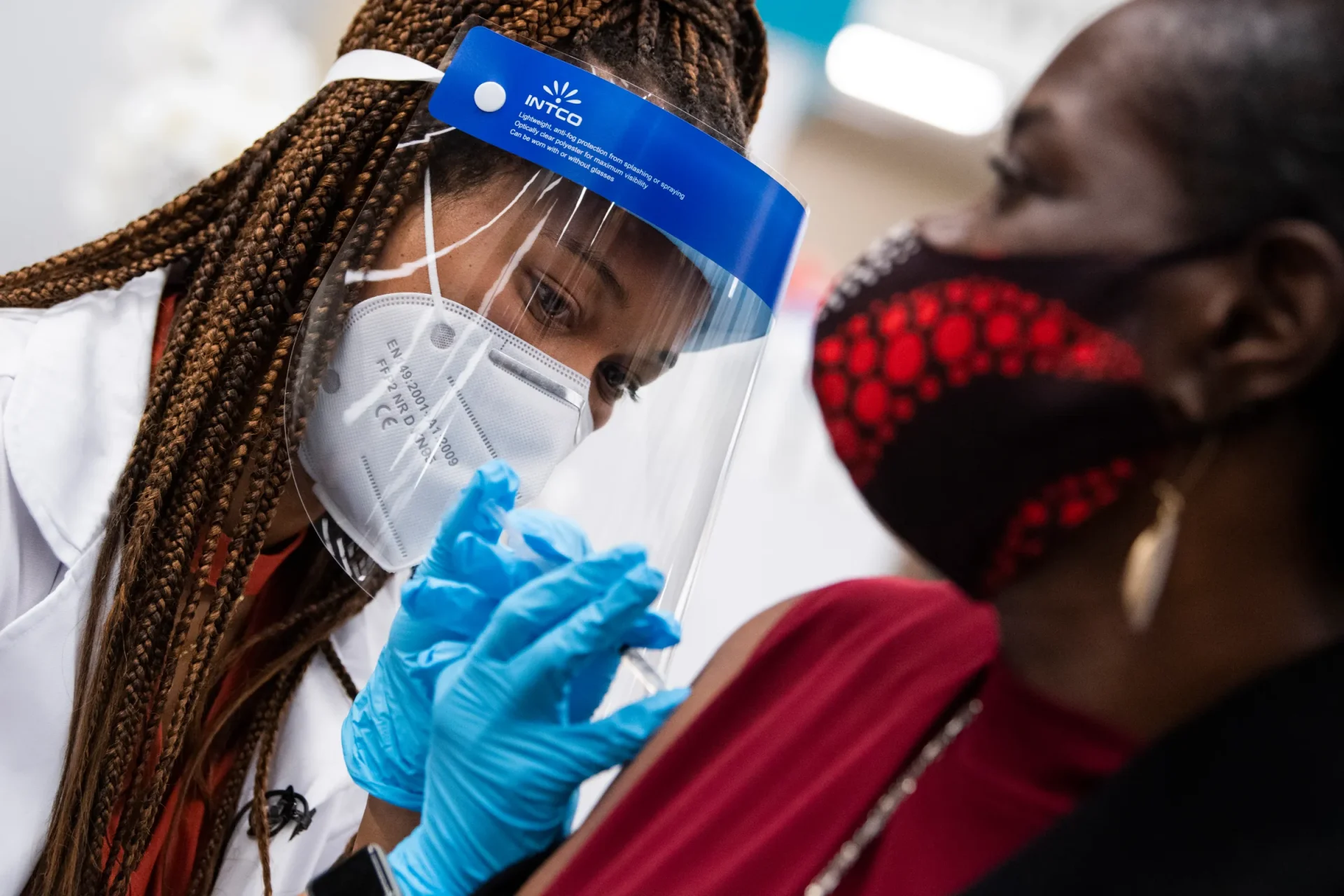
COVID-19 vaccination recommendations can change as new variants emerge, immunity changes over time, and more evidence becomes available. For this reason, booster recommendations may differ according to age, health status, previous vaccination, previous infection, and local public health guidance.
Understanding who may benefit from an updated dose can help people make informed decisions about their health while staying aware of current recommendations.
What Is a COVID Vaccine Booster?
A COVID vaccine booster is an additional dose given after an initial vaccination series or previous dose. Its purpose is to refresh or strengthen protection against COVID-19.
The immune response produced by vaccination can change over time. Updated vaccines may also be formulated to better target circulating variants.
The timing and eligibility for COVID vaccination depend on current recommendations and an individual’s circumstances.
Older Adults
Older adults are among the groups that may have a higher risk of severe COVID-19 illness.
Age-related changes in the immune system can affect how effectively the body responds to infections. Older adults may also be more likely to have chronic medical conditions that increase the risk of complications.
For these reasons, health authorities may recommend additional or updated COVID-19 vaccine doses for older age groups.
People With Certain Medical Conditions
Some medical conditions can increase the likelihood of severe COVID-19 illness.
These may include chronic heart disease, chronic lung disease, diabetes, kidney disease, and conditions that affect the immune system. People receiving certain medications that suppress immune function may also have different vaccination recommendations.
If you have an underlying medical condition, your healthcare professional can help determine whether an additional COVID vaccine dose is appropriate.
People With Weakened Immune Systems
Individuals who are moderately or severely immunocompromised may have a less robust immune response to vaccination.
Their vaccination schedule can therefore differ from that of the general population. Depending on the cause and severity of immune suppression, additional doses may be recommended to improve protection.
People undergoing cancer treatment, organ transplantation, or certain immune-suppressing therapies should discuss vaccination timing with their healthcare provider.
Pregnant People
Pregnancy can increase the risk of severe respiratory infections, including COVID-19.
Vaccination during pregnancy may help protect the pregnant person from severe disease. Antibodies generated following vaccination may also provide some protection to the newborn.
Pregnant individuals should discuss their vaccination status and current recommendations with their healthcare professional, particularly if they have additional risk factors.
Children and Younger Adults
Not everyone needs a booster at the same interval. For healthy children and younger adults, recommendations may differ according to age, previous doses, previous infection, and local public health guidance.
Some groups may be advised to receive an updated vaccine, while others may not require an additional dose at the same time.
Because recommendations can change, checking current guidance is more reliable than following a fixed schedule from a previous year.
What If You Have Already Had COVID-19?
Previous COVID-19 infection can provide some immune protection, but the level and duration of protection vary.
Vaccination and previous infection can contribute to immune protection in different ways. Having had COVID-19 does not necessarily mean that an individual will never benefit from vaccination.
The appropriate timing of COVID vaccination after infection may depend on factors such as age, health status, previous vaccination, and current recommendations.
Why Recommendations Change
COVID-19 vaccine guidance is periodically reviewed as scientists learn more about circulating variants, vaccine performance, immunity, and patterns of severe disease.
As a result, recommendations that applied during an earlier stage of the pandemic may no longer apply today.
People should therefore consult current guidance from their country’s health authorities or speak with a qualified healthcare professional when deciding whether an updated dose is appropriate.
What Should You Discuss With Your Doctor?
Before receiving another dose, it can be useful to review your vaccination history, previous COVID-19 infections, current medications, allergies, and underlying health conditions.
You can also ask about the currently recommended vaccine, the appropriate timing, expected side effects, and whether any additional precautions are relevant to your circumstances.
This is particularly important for people who are pregnant, immunocompromised, or managing chronic medical conditions.
Are Side Effects Common?
Like other vaccines, COVID-19 vaccines can cause temporary side effects.
Common reactions may include pain or tenderness at the injection site, fatigue, headache, muscle aches, chills, or mild fever. These symptoms generally resolve within a short period.
More serious reactions are uncommon. Anyone experiencing a severe or unusual reaction should seek appropriate medical attention.
Conclusion
The people most likely to be prioritised for an updated COVID vaccination dose are often those at greater risk of severe illness, including older adults, people with certain underlying medical conditions, and individuals with weakened immune systems. Recommendations for pregnant people, children, and younger healthy adults may vary according to current guidance.
Because COVID-19 vaccination recommendations can change as evidence and circulating variants evolve, eligibility should be assessed using up-to-date public health guidance. If you are unsure whether you need a booster, reviewing your vaccination history and health circumstances with a healthcare professional can help you make an informed decision.
