
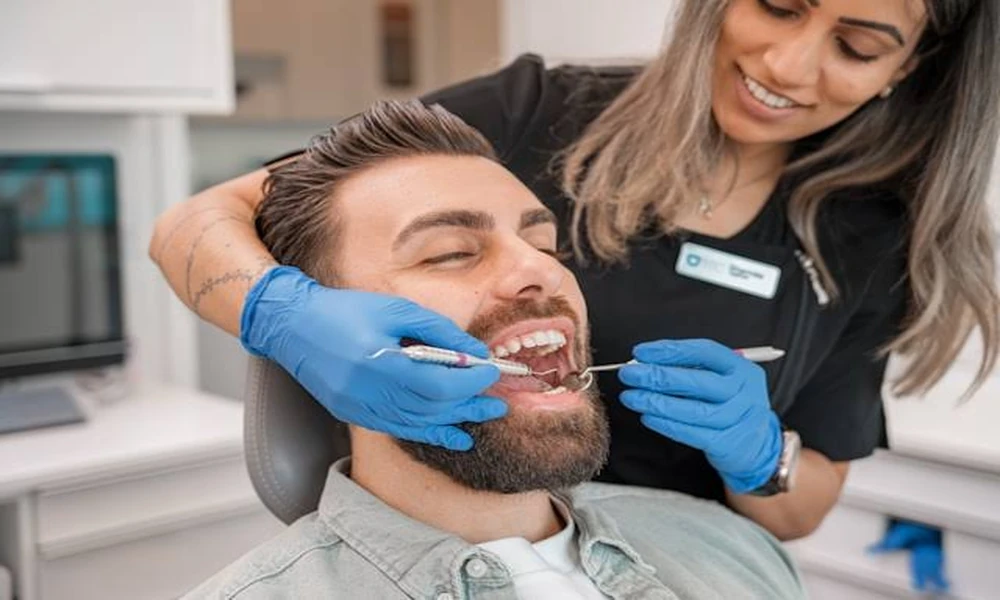
You might be trying to balance a lot at once, from school schedules and work demands to the quiet worry that comes with a child’s toothache or your own delayed checkup. Dental care often sounds simple until real life gets involved. One family member feels nervous, another needs a different kind of treatment, and suddenly you are not just looking for a cleaning. You are looking for patient-centered dentistry near Tigard, OR, a place that understands people, not just teeth.
That is where How Family Dentistry Combines Modern Tools With Personalized Service starts to matter. The best family dental care is not only about new equipment or digital systems. It is about using those tools in a way that makes care more accurate, more comfortable, and easier to fit into your life. When modern technology is paired with real attention to your needs, a family dentist can help you feel less overwhelmed and more confident about the next step.
Why does a family dentist need both technology and a human touch?
It is easy to assume that better dental care simply means better machines. But that is only part of the story. A scanner can create a clear image, and digital records can speed up planning, yet neither one can calm a nervous child or help a parent weigh timing, cost, and long term goals. Because of this tension, you might wonder what actually makes a dental visit feel easier.
The answer is often the blend. Modern tools can catch problems earlier, reduce guesswork, and improve comfort during exams and treatment. Personalized service helps your dentist notice patterns in your family’s health, explain options in plain language, and build trust over time. That matters more than many people realize. According to the CDC’s overview of oral health, oral health is closely linked to overall health and quality of life. When care feels accessible and tailored, families are more likely to stay on track.
A family dental practice can also simplify life in practical ways. Instead of juggling different offices for children, teens, adults, and older relatives, you can often manage preventive care and common treatments in one setting. That continuity gives the dental team a fuller picture of your needs, which can lead to better planning and fewer surprises.
What problems can modern family dental care help you avoid?
Small dental issues have a way of becoming big ones when they are delayed. A child who skips visits because of fear may end up needing more involved treatment later. An adult who ignores bleeding gums may face deeper periodontal concerns. An older parent may assume tooth loss is simply part of aging, even though many oral health problems are preventable or manageable with early care.
So, where does that leave you? Usually in a place where prevention matters more than perfection. Modern family dentistry often uses digital imaging, lower radiation X rays, electronic health records, and more precise treatment planning to spot concerns sooner. That can mean catching cavities before they grow, monitoring bite changes, or tracking gum health over time with better detail.
There is also a larger public health reason to take this seriously. Data from the National Institute of Dental and Craniofacial Research on adult oral health statistics shows that dental concerns remain common across age groups. And the National Center for Health Statistics brief highlights how untreated dental issues still affect many adults. These numbers do not exist to scare you. They are a reminder that routine care is not cosmetic upkeep. It is part of protecting daily comfort, nutrition, speech, and confidence.
Personalized service helps here, too. If your child is sensitive to sound, if you need phased treatment because of budget limits, or if a grandparent needs slower appointments and clearer explanations, the right office adjusts. That flexibility can be the difference between putting care off and actually getting it done.
How does personalized family dentistry compare to a one size fits all approach?
When you are choosing care, it helps to see what this difference looks like in real life. New tools are useful, but their value depends on how they are used for your family’s needs.
| Approach | What It Often Looks Like | What It Can Mean for Your Family |
|---|---|---|
| Traditional, one size fits all care | Standard exams, limited customization, less continuity between visits | Appointments may feel rushed, concerns can be missed, anxious patients may avoid returning |
| Modern tools without personal attention | Digital imaging and updated systems, but little time for questions or comfort needs | Care may be efficient, but not reassuring or easy to follow |
| personalized dental care for families | Digital diagnostics, preventive planning, age specific care, and communication shaped to each patient | Better understanding, earlier detection, more comfort, and a smoother experience across all ages |
That last category tends to work best because it respects both sides of the equation. Technology supports precision. Personal service supports follow through. You need both if you want care that feels sustainable.
What can you do right now to find the right family dentist?
1. Look at how the office communicates.
Pay attention to whether explanations are clear and calm. Do they answer questions in a way that makes sense to you? Do they ask about your child’s comfort, your schedule, or past dental experiences? Good communication is often the clearest sign that the office sees you as a person, not a time slot.
2. Ask which modern tools actually improve your care.
Do not be shy about asking why a certain scanner, X ray system, or imaging method is used. The goal is not flashy equipment. The goal is more accurate diagnoses, safer monitoring, and better comfort. A strong family dentist should be able to explain the benefit in simple terms.
3. Think long term, not just urgent treatment.
If you are only solving the problem in front of you, it is easy to stay stuck in crisis mode. Ask about preventive plans, recall schedules, sealants, gum care, and ways to reduce future treatment needs. A good family dentist helps you plan ahead so your family is not always reacting to pain or surprise costs.
Can family dentistry really make dental care feel less stressful?
Yes, it can, especially when care feels consistent, thoughtful, and built around real life. You do not need a perfect dental history to move forward. You just need a practice that uses modern tools wisely and treats your concerns with respect. When that balance is there, appointments feel less like another burden and more like one steady way to care for the people who matter most, including you.
If you have been putting off dental visits because life feels busy or the process feels uncertain, this may be the right time to take one simple step and schedule care with a family dentist who values both accuracy and personal connection.
