
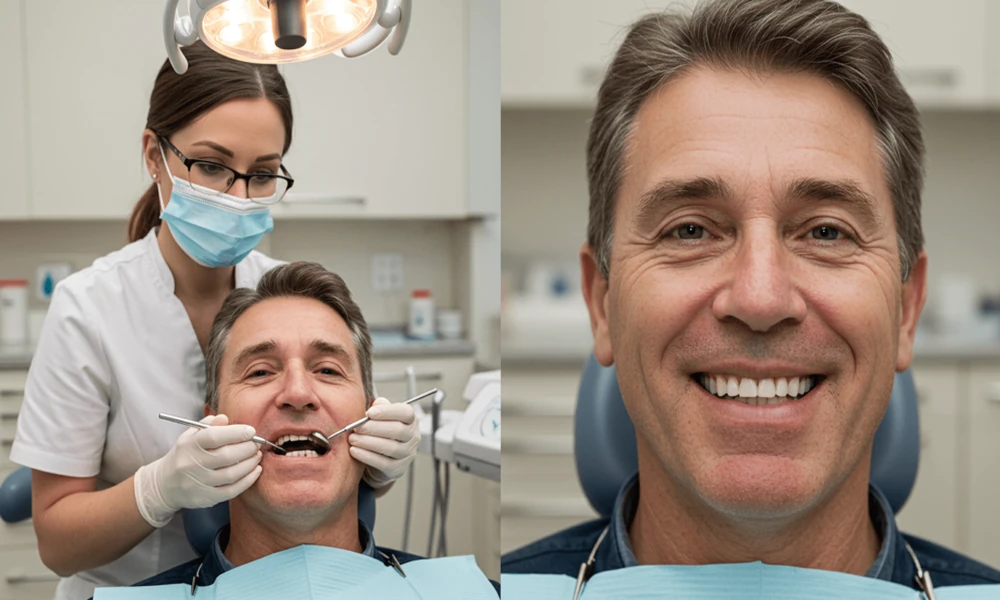
You might be feeling a mix of regret, worry, and hesitation. Maybe it started with a missed cleaning, then a tooth that only hurt once in a while, and before long, months or years passed. Now even making the appointment can feel hard. If that sounds familiar, you are not alone, and you are not beyond help. The good news is that How General Dentists Help Patients Recover From Neglected Oral Health often comes down to something steady and simple, especially when working with a dentist in Dawson Creek. BC. A clear exam, a realistic plan, and care that meets you where you are.
When oral health has been neglected, the problem is rarely just one cavity. It can be plaque buildup, gum inflammation, cracked fillings, bad breath, tooth pain, and the stress of not knowing what will happen next. Because of that, a general dentist does more than fix teeth. They sort out what needs attention first, what can wait, and how to help you move forward without shame.
Why can neglected oral health feel so overwhelming?
Once dental care has been put off, even small symptoms can start to carry emotional weight. You may worry that the damage is severe, that treatment will be painful, or that the cost will be out of reach. You may even avoid smiling, eating certain foods, or speaking up about discomfort. That tension builds, and it often keeps people stuck longer than the dental problem itself.
There is also a practical side to it. Untreated decay and gum disease usually do not stay the same. According to the National Institute of Dental and Craniofacial Research on adult tooth decay, dental caries remain common in adults. The CDC oral health surveillance findings also show that many adults live with untreated oral disease. So if you have fallen behind, you are in very human company.
So, where does that leave you? Usually at the point where a general dentist becomes the first and most important step back. General dentists are trained to assess the full picture, relieve pain, identify infection, treat decay, monitor gum health, and coordinate next steps if you need a specialist. In many cases, they can handle much of the recovery themselves.
How do general dentists rebuild oral health after years of delay?
Recovery from neglected oral health is rarely one giant appointment. It is a sequence. First comes the exam and X rays, which help uncover problems you may not see, like infection between teeth, bone loss, or hidden decay. Then comes triage. If you have pain, swelling, or a broken tooth, that usually comes first. After that, the dentist can address gum health, cavities, old dental work, and prevention.
This step by step approach matters because neglected oral health can affect daily life in ways people minimize. What if you chew on one side because the other hurts? What if bleeding gums have become so normal that you stopped noticing? What if a missing filling turned into a root canal or extraction risk? A dentist helps separate what feels scary from what is actually manageable.
There is also a bigger health picture. The Oral Health in America summary makes clear that oral health is tied to quality of life, comfort, and function. That means recovery is not just about appearance. It is about eating without pain, sleeping without throbbing teeth, and not carrying constant low grade stress about your mouth.
What is the difference between waiting longer and seeing a dentist now?
Many people hope the problem will settle down on its own. Sometimes symptoms do fade for a while, but the cause usually remains. A cavity can deepen. Gingivitis can move toward periodontitis. A small chip can split further. In other words, delay often changes a simpler problem into a more expensive one.
| Situation | If You Wait | If You See a General Dentist |
|---|---|---|
| Bleeding gums | Inflammation may worsen and bone support can be affected over time | Cleaning, home care guidance, and gum evaluation can stop progression early |
| Tooth sensitivity | Decay, cracks, or worn enamel may deepen and trigger stronger pain | Exam identifies the cause and may allow a smaller, simpler repair |
| Broken filling | Bacteria can enter the tooth and lead to infection or structural loss | Repair or replacement may protect the tooth before larger treatment is needed |
| Missed cleanings for years | Tartar buildup and gum disease can become harder to reverse | A staged cleaning plan helps restore health at a pace you can handle |
This is where restoring neglected teeth and gums becomes practical, not abstract. The earlier you start, the more options you often have. And when options stay open, treatment tends to feel less stressful.
What can you do right now if you feel embarrassed or behind?
1. Book the first visit and say the hard part out loud.
You do not need the perfect explanation. A simple sentence works. “I have put this off for a long time and I am anxious.” That gives the dental team context, and it often changes the pace and tone of the visit in a helpful way.
2. Focus on urgent needs first.
If cost or time is a concern, ask what should be treated now, what can be monitored, and what can be planned later. A good dental care recovery plan is not all or nothing. It is prioritized, realistic, and built around pain control, infection risk, and long term stability.
3. Restart daily habits without trying to be perfect.
Brush twice a day with fluoride toothpaste. Clean between teeth once a day. Reduce frequent sugary snacks and drinks if you can. These steps will not erase existing damage, but they support healing and help protect every treatment you receive.
Can a general dentist really help you turn this around?
Yes, often more than people expect. General dentists are usually the ones who help patients come back from long gaps in care, and they do it by replacing uncertainty with a plan. They look at the whole mouth, explain what is happening in plain language, and help you tackle one issue at a time. That is how general dentistry for neglected oral health works in real life. Not through judgment, but through steady progress.
If you have been putting this off, you do not need to solve everything today. You only need to begin. One appointment can tell you where things stand, what needs attention, and what recovery can look like from here. That first step may feel heavy, but it is often the moment people feel relief for the first time in a long while.
