
Key Takeaways
- Different occupations expose the knees and lower back to different types of physical stress.
- Repetitive movements, prolonged standing, heavy lifting, and extended sitting can all contribute to musculoskeletal problems.
- Identifying workplace risk factors is an important step before beginning knee pain treatment.
- Preventive measures, ergonomic adjustments, and appropriate movement habits may help reduce long-term strain.
- A back pain specialist may assess occupational factors alongside medical history and physical examination when evaluating persistent symptoms.
Introduction
Work-related activities can have a significant impact on the health of the knees and lower back. While physically demanding jobs are often associated with joint pain, occupations involving prolonged sitting or repetitive movements can create similar challenges over time. The type of stress placed on the body depends on the nature of the work, including posture, movement patterns, lifting techniques, and the amount of recovery between tasks. Understanding how different occupations affect these areas helps individuals recognise potential risks early and make informed decisions about prevention, workplace modifications, and when to seek knee pain treatment or consult a back pain specialist if symptoms persist.
Office and Desk-Based Occupations
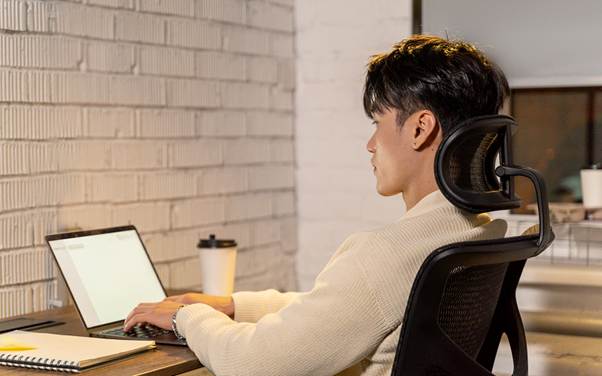
Office workers spend long periods seated, often with limited movement throughout the day. Although this type of work is not physically demanding, prolonged sitting places continuous pressure on the lower back while reducing activity in the muscles that support the spine. Poor workstation ergonomics, including incorrect chair height, inadequate lumbar support, or poorly positioned computer monitors, can increase strain further. Sitting for extended periods may also contribute to hip stiffness, which can alter walking mechanics and indirectly increase stress on the knees. Taking regular movement breaks, adjusting workstation ergonomics, and incorporating stretching into the workday can help reduce these risks.
Manual Labour and Construction Work
Construction workers, warehouse employees, and other manual labourers frequently perform tasks involving lifting, carrying, kneeling, climbing, and repetitive bending. These movements place considerable mechanical loads on both the knees and lower back throughout the working day. Incorrect lifting techniques, repetitive heavy loads, and working in awkward positions can increase the likelihood of cumulative strain or acute injuries. Kneeling on hard surfaces for prolonged periods may also place excessive pressure on the knee joints and surrounding soft tissues. Proper lifting techniques, suitable protective equipment, task rotation, and adequate recovery periods are important strategies for reducing long-term musculoskeletal stress.
Healthcare, Hospitality, and Retail Occupations
Healthcare professionals, retail employees, and hospitality staff often spend most of their shifts standing or walking. Although standing appears less demanding than heavy lifting, prolonged weight-bearing can gradually fatigue the muscles supporting the spine and lower limbs. Nurses and caregivers may also perform patient transfers, adding additional strain to both the knees and lower back. Retail workers frequently stand in one position for extended periods, while hospitality staff may repeatedly carry trays, supplies, or equipment. Supportive footwear, anti-fatigue flooring where appropriate, and opportunities to alternate between sitting, standing, and walking may help minimise physical stress during long shifts.
Driving and Transport-Related Occupations
Professional drivers, delivery personnel, and transport operators face a different set of physical demands. Sitting for prolonged periods limits spinal movement and places sustained pressure on the lumbar region. Vehicle vibration, particularly during long-distance driving, may increase discomfort in some individuals. Repeated use of pedals, frequent entry and exit from vehicles, and loading cargo can also place additional demands on the knees. Limited opportunities for stretching during work hours may contribute to muscle tightness and reduced joint mobility. Once discomfort becomes persistent or begins to interfere with daily work, consulting a back pain specialist in Singapore may help determine whether occupational factors are contributing to the condition and whether further assessment is appropriate. Scheduled rest breaks and appropriate seat positioning can also help reduce some of these occupational risk factors.
Occupations Involving Repetitive Movement
Manufacturing workers, cleaners, agricultural workers, and certain technicians often perform repetitive tasks that involve squatting, bending, twisting, or frequent kneeling. While each movement may appear minor, repeating the same action hundreds of times each day can gradually overload muscles, tendons, and joints. Over time, repetitive stress may contribute to discomfort, reduced mobility, or chronic musculoskeletal conditions. Workplace assessments, task variation, and ergonomically designed equipment can reduce repetitive loading and support healthier movement patterns throughout the workday.
Conclusion
Every occupation presents unique physical demands that influence the health of the knees and lower back. Whether the work involves prolonged sitting, repetitive movements, standing for extended periods, or heavy manual labour, understanding these occupational stresses is important for preventing long-term musculoskeletal problems. Early recognition of workplace risk factors, combined with ergonomic improvements and appropriate movement strategies, can help reduce unnecessary strain. When symptoms become persistent or interfere with daily activities, seeking professional assessment for knee pain treatment or consulting a back pain specialist can help determine appropriate management based on the individual’s occupational demands and overall condition.
Contact The Pain Clinic and let us determine an appropriate management plan based on your condition and daily activities.
