
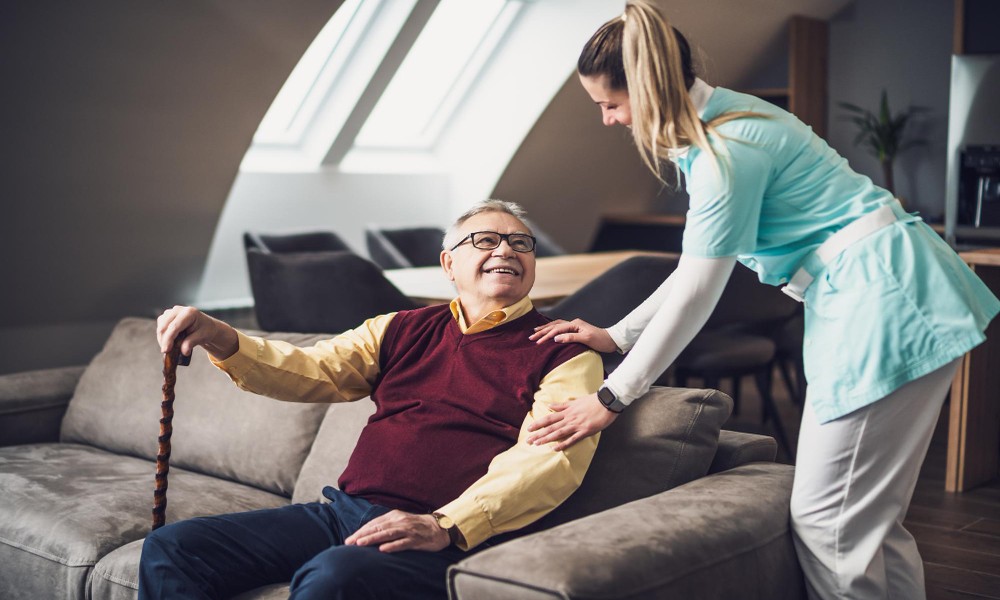
For many families, the desire to keep an aging parent in their own home is rooted in love and a respect for their independence. The “aging in place” philosophy is admirable, but there is often a dangerous gap between the desire for independence and the capacity to maintain it safely.
When family members check in once or twice a week, they often see a snapshot of stability. However, the hours and days spent in solitude can mask a steady decline in safety and health. The risks of leaving an elderly loved one unassisted are rarely sudden; instead, they are cumulative, creating a precarious environment where one small mishap can lead to a life-altering crisis.
The Invisible Hazards of the Home Environment
A home that was perfectly safe for a couple in their 40s can become a minefield for someone in their 80s. The primary risk is physical instability, but the danger extends beyond the obvious threat of a fall.
The Cascade Effect of a Single Fall
A fall is rarely just a fall for a senior. Due to decreased bone density and slower healing times, a simple trip over a rug or a slip in the bathroom can result in a hip fracture. If the individual is unassisted, the real danger is the “long lie”-the period between the fall and the discovery of the person. Lying on a hard floor for several hours can lead to dehydration, hypothermia, or pressure sores, significantly complicating the recovery process and increasing the likelihood of permanent disability.
Medication Mismanagement
Polypharmacy-the use of multiple medications-is common among the elderly. Without a dedicated caregiver to oversee dosage and timing, “silent” errors occur. These include:
- Doubling doses because the senior forgot they already took the pill.
- Skipping critical medications due to cognitive fog or confusion.
- Dangerous interactions between prescription drugs and over-the-counter supplements.
These errors often manifest as increased confusion or dizziness, which families may mistake for “natural aging” rather than a treatable medication issue.
The Psychological Toll of Social Isolation
While physical safety is the most immediate concern, the cognitive and emotional risks of living unassisted are equally severe. Humans are social creatures, and the sudden shrinking of a social circle can accelerate cognitive decline.
Cognitive Decline and “Sundowning”
Isolation often accelerates the progression of dementia and Alzheimer’s. Without regular conversation and mental stimulation, the brain loses plasticity. Furthermore, seniors living alone are more susceptible to “sundowning”-a state of confusion and anxiety that occurs in the late afternoon and evening. Without a supportive presence to provide grounding and routine, these episodes can lead to wandering or panic attacks.
Nutritional Neglect
When a senior is left alone, the quality of their nutrition often plummets. The effort required to meal prep, cook, and clean can become overwhelming. This leads to “tea and toast syndrome,” where the individual consumes easy-to-prepare but nutritionally void foods. Malnutrition weakens the immune system and increases frailty, making them more susceptible to infections like pneumonia.
Bridging the Gap Between Independence and Safety
The goal is not to strip a loved one of their autonomy, but to provide a safety net that allows them to remain at home without compromising their health. The transition from “independent living” to “assisted living at home” should happen before a crisis occurs, not as a reaction to a hospital discharge.
Professional support provides more than just a set of eyes in the house; it provides a layer of preventative maintenance. Caregivers can identify early warning signs-such as a sudden change in gait, a neglected refrigerator, or increased irritability-that family members might miss during a brief weekend visit.
For families living in coastal regions, finding a reliable partner for home care Myrtle Beach SC ensures that a senior can enjoy the familiarity of their own neighborhood while having the professional oversight necessary to prevent the hidden risks mentioned above.
Recognizing the Warning Signs
If you are unsure whether your loved one requires assistance, look for these subtle red flags:
- Unexplained bruising or small cuts that suggest minor falls.
- Weight loss or a fridge filled with expired food.
- Poor hygiene, such as wearing the same clothes for several days.
- Confusion regarding appointments or daily schedules.
- Withdrawal from hobbies or phone calls they previously enjoyed.
Addressing these signs early prevents the catastrophic “event” that forces an abrupt move into a facility. By integrating professional care into the home, families can preserve the dignity of their elders while eliminating the hidden dangers of solitude.
