
Key Takeaways
Creating an efficient gym layout boosts member flow, enhancing functionality and comfort while offering the best workout experience possible. Professionals must understand how members move within the space; it’s vital for making effective design choices.
Establishing distinct workout zones can sharpen focus, as it tailors environments for various activities like strength training, cardio, and functional workouts. This makes it easier for members to engage in their preferred exercises.
Smart equipment placement is critical. It maximizes space and ensures that everything is easily accessible, encouraging social interactions among members and avoiding crowded areas.
Visual appeal plays a significant role in motivating gym members. Bright colors can invigorate, while softer hues create relaxing zones that enhance user enjoyment.
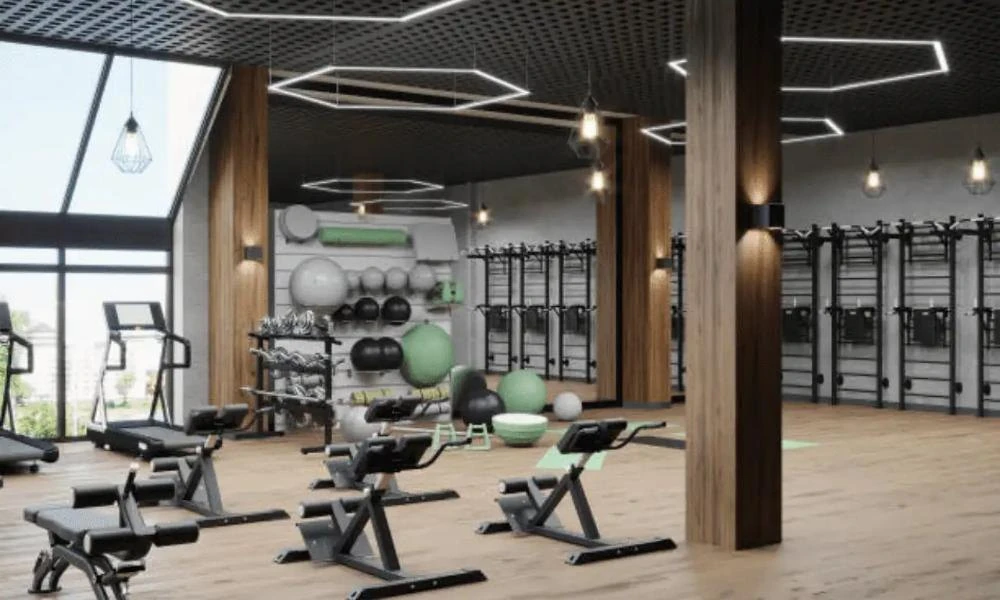
Incorporating natural light along with adjustable lighting can greatly influence the mood and functionality of gym spaces, creating a more welcoming environment that encourages active participation.
By integrating smart technology into gym equipment, member engagement increases. This enables progress tracking and creates interactive experiences, transforming traditional gyms into connected fitness hubs.
Designing inviting and accessible entrance spaces alongside community areas builds a welcoming atmosphere. This enhances first impressions and fosters member retention through opportunities for connection and relationship-building.
Transforming Functionality: Layout Strategies for Optimal Flow
Achieving an efficient gym design centers around a layout that supports optimal member flow. Well-thought-out spaces can significantly enhance the overall workout experience. Understanding how members navigate the gym should guide every design decision. Does the setup meet their needs? What’s the journey like from the moment they walk in to when they leave? It’s all about maximizing functionality while promoting comfort.
Creating Distinct Zones: Workout Areas Built for Success
Dividing a gym into clear zones can create a significant impact. Consider the various workouts members engage in-stretching, strength training, cardio, and hybrid classes all require different environments. For instance, a dedicated lifting zone not only accommodates free weights but also cultivates an atmosphere where serious lifters feel at home. It’s akin to setting up their own arena.
- Strength Training Area: Equip this space with free weights, benches, and squat racks.
- Cardio Zone: Incorporate treadmills, ellipticals, and bikes that are spaced for personal comfort.
- Functional Training Space: Use open areas for group classes, agility drills, or even yoga sessions.
A well-defined zone increases focus. Here’s the thing: when people know exactly where to go and what to do, they waste less time wandering around. Now, isn’t that ideal?
Maximizing Space: Efficient Equipment Placement Techniques
Next on the agenda is the art of equipment placement. Figuring out how to utilize space wisely ensures members never feel cramped. Spacing is crucial. Equipment should not only be easily reachable but also arranged to encourage social interaction. Think of it as composing a symphony, where each part complements the others beautifully.
- Clear Sight Lines: Members should enjoy a visual path that flows throughout the gym.
- Accessibility: Every piece of equipment must be accessible without causing disruptions.
- Traffic Flow: Organizing equipment effectively allows for smooth movement, avoiding congested areas.
By adopting these principles, the flow improves, and the overall experience elevates. A strategically placed machine can inspire a gym-goer to engage more fully. It’s about crafting an environment where comfort and productivity seamlessly coexist.
Visual Appeal: Designing a Gym That Inspires
Once functionality is sorted, visual appeal becomes the star of the show. The aesthetic of a gym holds immense importance when it comes to motivation. Members want to feel that energy the moment they enter. In the realm of fitness, beauty can be a powerful motivator.
Color Psychology: Choosing the Right Palette for Motivation
Color isn’t merely a decorative element; it serves as a psychological tool. Different shades evoke distinct reactions. A lively palette can boost members, pushing them toward their fitness objectives. Imagining bright oranges and yellows sparking energy seems easy. Now, consider blues and greens, which promote a sense of calm. Balancing these tones within a gym setting raises the question: how does one achieve that?
- Vivid Accents: Use bright colors in workout zones to stimulate vitality.
- Calm Neutrals: Stick to gentle tones in areas intended for relaxation or recovery.
- Themed Spaces: Align colors with the gym’s branding to create a unified look.
Emphasizing color not only captures attention; it can significantly shift emotions and influence behaviors. In a vibrant environment, people may feel more compelled to push their limits. Isn’t that a win-win?
Lighting Dynamics: Bright Ideas to Enhance Energy Levels
Lighting profoundly affects mood and functionality. A gym flooded with natural light feels far more inviting. Conversely, dim spaces might foster lethargy instead of activity-definitely not ideal.
- Natural Light: Maximize windows and skylights in the design phase.
- Adjustable Lighting: Employ dimmers to suit various moods and times of day.
- Accent Lighting: Highlight important areas, such as cardio zones, to enhance focus.
Light plays a crucial role in creating an inviting atmosphere. The right brightness can boost movement, optimizing every workout session.
Innovation Meets Comfort: Choosing the Right Equipment
When selecting equipment, businesses often find that blending innovation and comfort yields substantial benefits. Members seek out fitness tools that feel cutting-edge yet are comfortable enough for prolonged use. How does one strike that balance?
Smart Tech: Integrating Digital Solutions for a Modern Gym
Incorporating digital solutions can completely redefine the gym experience. Advanced machines equipped with tracking capabilities can enhance engagement. It’s not solely about lifting weights; it’s about monitoring progress and reaching personal bests. Smart technology can remind users of their aspirations and celebrate their successes. Now that’s engaging!
- Wearable Devices: Encourage members to connect their fitness devices to the gym systems.
- Interactive Machines: Equipment that offers challenges or courses can significantly raise engagement.
- Virtual Classes: Streaming options can help reach members beyond the gym walls.
Engagement holds paramount importance. The future of fitness thrives on integrating smart technology. It’s not just about functionality; it enhances the sense of community.
Versatile Equipment: Investing in Multi-Functional Machines
Investing in multi-functional equipment truly makes sense. After all, why dedicate an entire section of the gym to a single-purpose machine? That’s hardly efficient. Multi-functional machines can greatly optimize space while offering a multitude of training options. It’s much like having a Swiss Army knife within the realm of fitness.
- All-in-One Machines: Seek options that promote various types of workouts.
- Adjustable Features: Flexibility enables use by different individuals with distinct workout styles.
- Compact Solutions: Choose machines designed to handle diverse weights and movements.
Thinking outside the box with equipment can cultivate an environment where members feel encouraged to explore new exercise formats. Isn’t that invigorating?
Client Experience: Attracting Members with Thoughtful Design
The client experience is pivotal to determining a fitness facility’s success. A warm and thoroughly considered environment can make members feel appreciated. What impressions do they have upon entering? Accessibility, convenience of movement, and designated spaces for community interaction-these factors are essential.
Creating Welcoming Entrances: First Impressions That Matter
The entrance can significantly influence a member’s experience. A clean, inviting entryway with clear signage lays the groundwork for what follows. It conveys a reassuring message. Members prefer stepping into a space that feels fresh and invigorating.
- Welcoming Decor: Utilize decorations that resonate with the gym’s ethos, establishing an immediate sense of belonging.
- Clear Signage: Navigation must be seamless, guiding members easily to different areas right from the entrance.
- Open Design: An airy, well-lit front area entices members to venture inside.
The impact of a positive first impression cannot be overlooked. A welcoming entrance can drastically boost retention rates. Clients typically develop an enhanced sense of community upon crossing the threshold.
Community Spaces: Designing Areas for Connection and Engagement
Fostering spaces that encourage connection is crucial. Features like lounge areas, coffee bars, or comfortable seating options offer members a place to unwind post-workout. It’s about more than just exercise; it’s about forming relationships. Consider this: how many gym-goers long for a spot to connect and relax?
- Social Spaces: Include seating areas for relaxation and consultations.
- Event Zones: Allocate spaces for workshops, demonstrations, or small gatherings.
- Community Boards: Showcase member achievements or upcoming events to promote interaction.
By nurturing an environment of connection, gyms can evolve into hubs of community life. This transformation fosters loyalty-a valuable asset in the fitness industry.
FAQ
What is the most effective way to gather member feedback on gym design?
Professionals often recommend deploying surveys or interactive feedback kiosks to gather insights directly from members. Engaging members through focus groups can provide deeper qualitative data, which allows for adjustments that reflect user preferences more effectively.
How often should a gym’s design be reassessed or updated?
Experts advise a comprehensive reassessment every few years. Influences like evolving fitness trends, technological advancements, and member feedback should inform updates, ensuring spaces remain relevant and captivating.
Can color choices influence member behavior significantly?
Absolutely. Color psychology holds substantial power in shaping emotions and motivation. Thoughtful use of colors in different zones can elevate energy in workout areas while promoting tranquility in relaxation spaces, optimizing the overall experience.
How can gyms effectively incorporate virtual training options?
Integrating virtual training involves providing dedicated spaces for live-streamed classes and setting up interactive screens for virtual workouts. Offering a combination of in-person and virtual experiences maintains high engagement and flexibility for members.
What role does acoustics play in gym design?
Sound management is crucial. Poor acoustics can create distractions or lead to a chaotic atmosphere. By employing sound-absorbing materials and thoughtful layout designs, gyms can establish pleasant sound environments that enhance focus and enjoyment during workouts.
Are there specific equipment brands or types that are best suited for modern gyms?
Research indicates that brands offering smart technologies and multifunctional equipment are frequently preferred, as they cater to a variety of workout styles. Brands that prioritize durability and user-friendly interfaces generally shine in the contemporary fitness market.
What types of community events can a gym host to strengthen member bonds?
Organizing events such as fitness challenges, workshops, or social gatherings can greatly enhance community engagement. Activities that celebrate member achievements or introduce new programs can facilitate interaction and camaraderie among gym members.
How important are accessibility features in gym design?
Accessibility is non-negotiable. Ensuring that all members, irrespective of ability, can navigate the space promotes inclusivity. Features like ramps, wider aisles, and adapted equipment significantly elevate the overall member experience and encourage retention.
Useful Resources
- American Council on Exercise (ACE) – Provides educational resources focused on fitness, personal training, and wellness.
- National Academy of Sports Medicine (NASM) – Offers certifications and courses for fitness trainers centered on evidence-based practices.
- YMCA – Contains resources for community-oriented fitness programs and facility management.
- IDEA Health & Fitness Association – A resource for fitness professionals providing education, events, and certifications.
- American College of Sports Medicine (ACSM) – Supplies research, guidelines, and resources for exercise science and health fitness.
- Fitness Australia – Delivers insights and resources for gym owners, fitness professionals, and industry trends.
- International Society of Sports Nutrition (ISSN) – Provides educational resources focused on sports nutrition and dietary strategies for fitness.
- Athletic and Fitness Association of America (AFS) – Offers education and resources for gym operators and trainers regarding best practices.
