
Protein is often connected with building and maintaining muscle. However, the body also uses protein to make enzymes, hormones, antibodies, and antioxidants.
Glutathione is one of the antioxidants the body produces from amino acids found in protein. Understanding this process can help explain why dietary protein, whey protein isolate, and products such as Immunocal are discussed in connection with glutathione production.
How the Body Uses Dietary Protein
When you eat protein, the digestive system breaks it down into smaller parts called amino acids. These amino acids enter the bloodstream and can be used throughout the body.
The body uses approximately 20 amino acids in different combinations. Some must come from food, while the body can make others.
Common protein sources include meat, poultry, fish, eggs, dairy products, beans, lentils, nuts, seeds, and soy foods. The amount and combination of amino acids can differ among these foods.
Protein is not stored in the same way the body stores fat. A regular supply of dietary protein helps provide the amino acids needed for everyday maintenance and repair.
How Protein Supports Glutathione Production
Glutathione is made from three amino acids: cysteine, glycine, and glutamate.
The body joins these amino acids together inside its cells. Cysteine is especially important because its availability can limit how much glutathione the body produces.
This is why some glutathione supplements focus on providing cysteine rather than supplying finished glutathione. The goal is to give the body one of the important building blocks it uses to produce glutathione naturally.
Simply eating more protein does not guarantee that glutathione levels will rise. The type of protein, amino acid content, digestion, age, diet, activity, and general health can all influence the process.
What Does Glutathione Do?
Glutathione helps protect cells from oxidative stress. Oxidative stress develops when the production of unstable molecules becomes greater than the body’s ability to manage them.
Free radicals are created during normal activities, including turning food into energy and exercising. They can also come from pollution, cigarette smoke, alcohol, and excessive sunlight.
Glutathione helps neutralize some of these unstable molecules. It also supports normal cell function and helps recycle certain other antioxidants.
This does not mean that having more glutathione will prevent disease or guarantee better health. Glutathione works as one part of a much larger system.
What Foods Increase Glutathione Production?
Foods containing protein help provide the amino acids used to make glutathione. Good choices include eggs, poultry, fish, dairy products, beans, lentils, and soy foods.
Foods containing sulfur compounds may also support the process because sulfur is an important part of cysteine. These foods include garlic, onions, broccoli, cauliflower, cabbage, and Brussels sprouts.
Some foods, including asparagus, avocado, and spinach, contain glutathione. However, cooking, storage, and digestion may affect how much is available to the body.
There is no single food that will quickly or dramatically raise glutathione for everyone. A balanced diet that includes enough protein and a variety of vegetables is a more practical approach.
What Is Whey Protein Isolate?
Whey is one of the main proteins found in milk. Whey protein isolate is processed to remove much of the fat, lactose, and other components while concentrating the protein.
It provides a complete range of essential amino acids. This is one reason whey protein is popular among athletes and active adults.
Not every whey protein isolate is designed in the same way. Some products are mainly intended to provide protein for muscle maintenance. Others are processed to preserve particular protein structures and provide cysteine for glutathione production.
Excessive heat can change the natural structure of whey proteins. Products designed to preserve these proteins should be prepared according to the directions and should not be mixed into hot liquids.
How Does Immunocal Fit In?
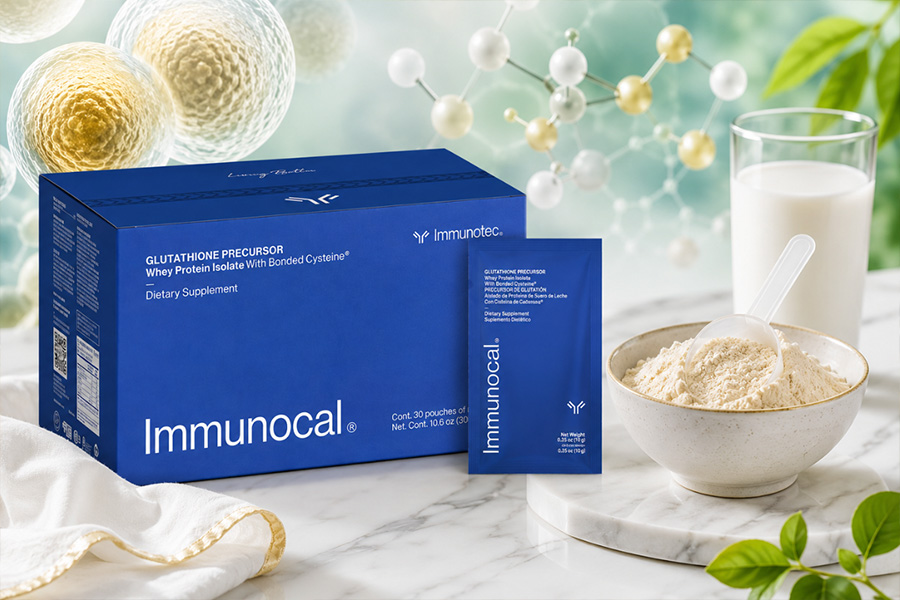
Immunocal is a specially processed whey protein isolate. Its purpose is to provide cysteine in a form the body can use as a building block for natural glutathione production.
Immunocal is not finished glutathione in a packet. It takes a precursor approach by giving the body nutritional material used to make glutathione inside its cells.
People considering Immunocal for sports or general nutrition should understand that it is still a dairy-derived protein product. It contributes protein and amino acids, but it should not replace a balanced diet.
Immunocal is generally mixed with cool or room-temperature water or soft food. It should not be added to hot coffee or blended aggressively because heat and heavy processing can affect the whey proteins. Always follow the current package directions.
What Are the Benefits of Glutathione for Athletes?
Physical activity increases the body’s use of oxygen and energy. This naturally creates free radicals. The body responds through several antioxidant systems, including glutathione.
Glutathione helps cells manage normal oxidative stress produced during physical activity. It also takes part in normal cell protection and recovery processes.
This does not mean that a glutathione supplement will automatically improve speed, endurance, strength, or recovery. Athletic performance depends on training, nutrition, sleep, hydration, age, and many other factors.
Some research has examined cysteine-rich whey protein alongside resistance training. One randomized study involving older adults found greater strength gains with Immunocal than with a casein comparison during a structured training program. However, studies involving specific groups should not be treated as proof that every athlete will have the same result.
Immunocal Sport is a formula aimed at active adults. Consumers should check the current ingredients because it is different from regular Immunocal and may contain additional ingredients beyond whey protein isolate.
How Effective Is Immunocal?
Immunocal is based on a sound biological principle. Cysteine is a key building block in glutathione production, and Immunocal is designed to provide cysteine-rich whey protein.
Published research has examined Immunocal in several groups. Some studies have reported changes in measured glutathione levels or other outcomes, while results have not been identical in every study.
This means the fairest answer is that Immunocal can provide the nutritional building blocks needed for natural glutathione production. How much difference it makes can vary by person.
It should not be described as a cure or treatment for a medical condition. Raising a laboratory measurement also does not guarantee that someone will feel a noticeable change.
Consumers can review Immunotec’s published research and product standards before deciding whether the product fits their needs.
Does Immunocal Have Side Effects?
Immunocal is a whey protein product and may cause digestive discomfort in some people. Possible concerns include gas, bloating, nausea, or changes in bowel habits.
People with a milk-protein allergy should not use it without medical guidance. A milk allergy is different from lactose intolerance. Although whey protein isolate usually contains less lactose than other dairy products, sensitive people should still review the label.
Anyone with kidney disease, a protein-restricted diet, or another medical condition should speak with a healthcare professional before using a protein or glutathione supplement.
Supporting Natural Glutathione Production
The body depends on amino acids to make glutathione. A balanced diet with enough protein gives it the basic materials needed for this process.
Whey protein isolate offers a concentrated source of protein and amino acids. Immunocal provides a more specialized form of whey protein intended to support the body’s natural glutathione production.
If you are considering Immunocal or Immunocal Sport, compare the current ingredients, directions, protein content, and intended use before making your choice.
This article is for general educational purposes and is not medical advice. Immunocal is a nutritional supplement and is not intended to diagnose, treat, cure, or prevent disease.
